A CHRONICLE IN NINE CHAPTERS · COMPREHENSIVE EDITION · VOL. III · MMXXVI
One peninsula's improbable story — told in chapters and annals; ledgers of empires, battles, revolutions, voyages, cargoes, migrations, walls, roads, seasons and fractures of faith; treaties and laws; plagues and bubbles; paintings, symphonies, games and weapons; and the voices — women and men — who carried it all forward.
Europe is less a place than an argument conducted over twenty-eight centuries. It began as a Greek word for a coastline, became a Roman road network, then a Christian commonwealth, a workshop of the world, a battlefield, and finally an attempt to argue by treaty instead of by artillery.
This chronicle follows that argument in nine chapters — from the first Athenian assembly to the fall of the Berlin Wall and beyond — and then opens the archive: battles, treaties, laws, dynasties, revolutions, voyages, cargoes, migrations, walls, roads, seasons and fractures of faith behind the narrative.
Read it as a single arc or dip anywhere. The Annals give you the dates, the numbers give you the scale, the ledgers give you the patterns — and the Examination at the end will tell you if any of it stuck.
Two peninsulas gave Europe its alphabet, its politics and its law — and an empire whose collapse defined every age that followed.
Europe begins beside the Aegean. In small, quarrelsome city-states — Athens, Sparta, Corinth — citizens gathered in open assemblies to debate war, law and taxes. In 508 BC Cleisthenes gave Athens demokratia, rule by the people; within a generation the Greeks had beaten Persia at Marathon and Salamis, and Socrates, Plato and Aristotle had laid down philosophy as Europe would practise it for two millennia.
Alexander the Great carried that Greek world to the edge of India — and died at thirty-two, leaving it to shatter into kingdoms. Meanwhile a small town on the Tiber was building something more durable. Rome grew from monarchy to Republic, annihilated its rival Carthage in the Punic Wars, then consumed itself in civil war until Augustus, in 27 BC, turned it into one man's empire.
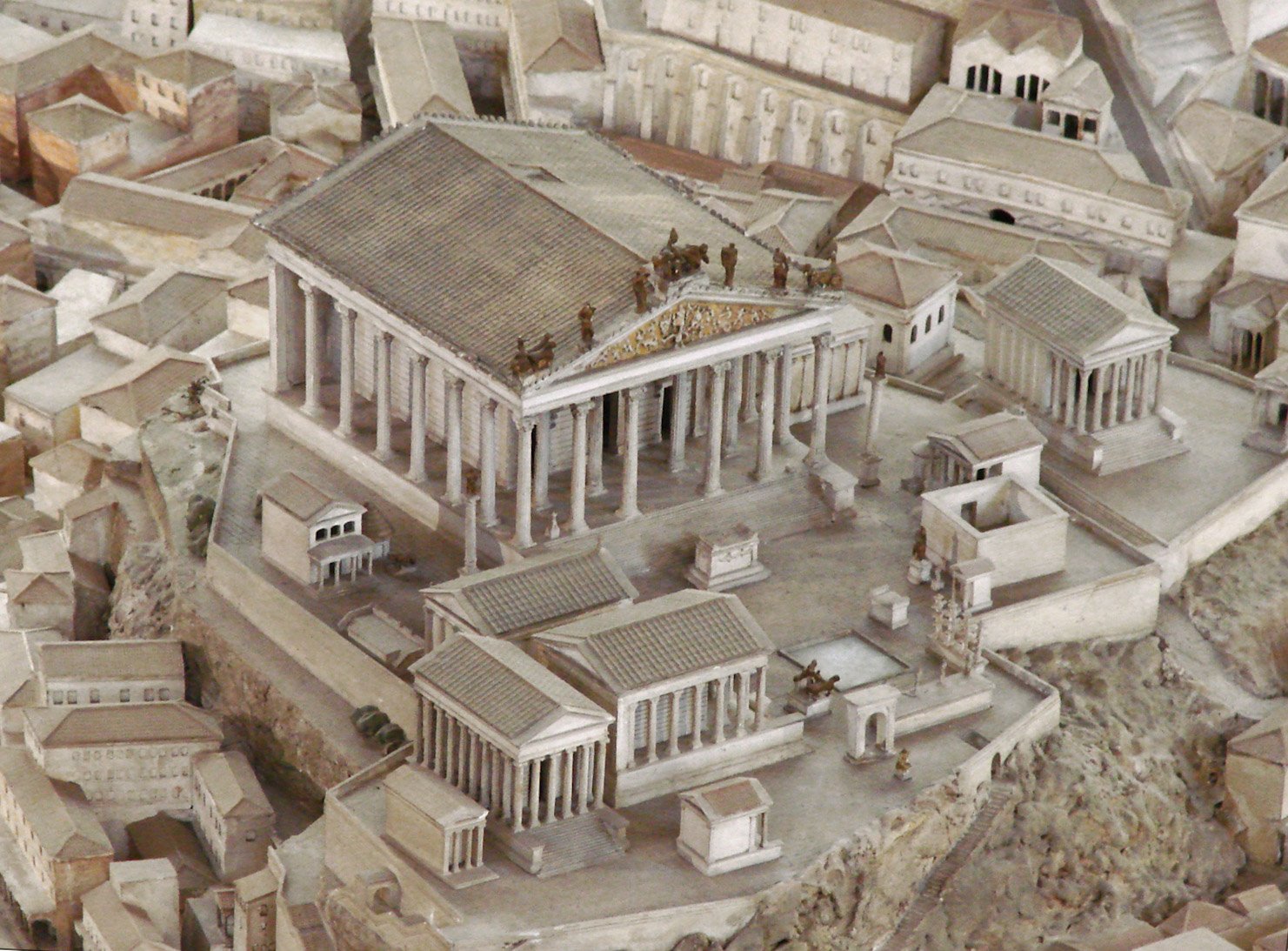
For two centuries the Pax Romana held five million square kilometres together with roads, aqueducts, law and legions. Constantine legalised Christianity in 313; the empire split in 395; the frontiers sagged under migration and fiscal strain. In 410 Alaric's Goths sacked Rome itself. In 476 a Germanic officer named Odoacer quietly deposed a teenage emperor called Romulus Augustulus — and nobody in the East bothered to appoint a successor.
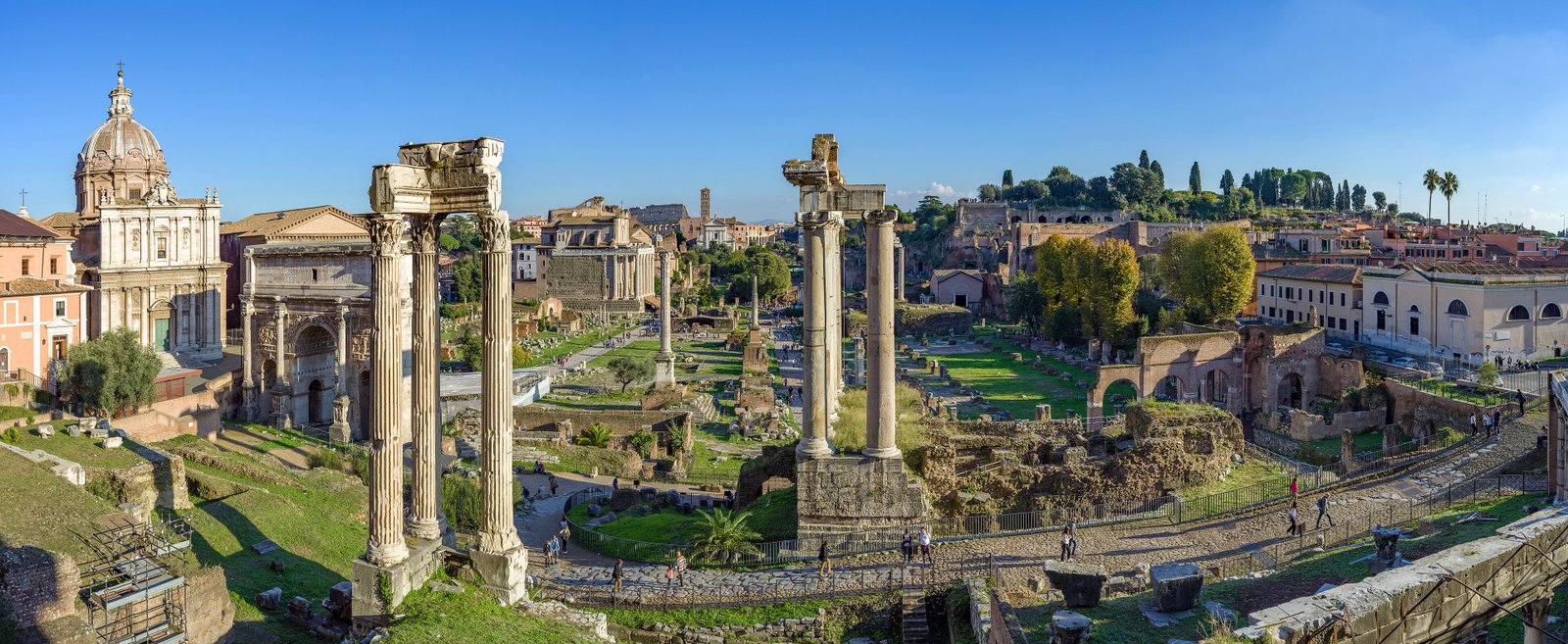
"History is the witness of the ages, the torch of truth, the life of memory, the teacher of life."— CICERO · DE ORATORE · 55 BC
From Rome's ruins rose a patchwork of kingdoms bound by one faith — until a plague cut the world in half.
The lights did not go out; they moved. Monasteries — Benedict's Monte Cassino, later Lindisfarne and Cluny — copied the classics by candlelight while Frankish, Gothic and Lombard kingdoms rose on imperial soil. On Christmas Day 800, Pope Leo III crowned Charlemagne "Emperor of the Romans," stitching the idea of Rome back onto a Germanic body. His grandsons carved that empire into three at Verdun (843) — the fault line between France and Germany for the next thousand years.
Society reorganised into feudal tiers: lords, vassals, serfs — castles for war, cathedrals for awe. In 1054 Rome and Constantinople excommunicated each other, splitting Christendom forever. In 1066 Normans remade England; in 1096 the First Crusade turned Europe's violence eastward. Meanwhile Bologna (1088) founded the university, Gothic masons raised impossible vaults, and in 1215 English barons forced King John to sign Magna Carta — the hint that even kings answer to law.
Then, in 1347, Genoese galleys from the Black Sea docked in Sicily carrying fleas. Within five years the Black Death had killed perhaps a third of Europe. Wages rose, certainties dissolved, and the medieval order began its long, creaking decline.

Population of Western Europe, AD 1000–2000, in millions. Growth, collapse, then the great acceleration of industry. The notch at 1348 is the Black Death — roughly a third of all living Europeans, erased in four years.
NOTE: MEDIEVAL FIGURES ARE SCHOLARLY ESTIMATES · CURVES IDEALISED
From one reader in ten to ninety-nine in a hundred — the press began the climb, the Reformation accelerated it, and the school laws of the industrial century finished it. Every curve in the chronicle above rides on this one underneath.
Disease killed more Europeans than any army on this record. Bars scaled to the Justinianic plague's upper estimate.
Harvests decided more than battles ever did. Six climatic regimes that wrote across the chronicle — vineyards on Hadrian's Wall, frost fairs on the Thames, snow in June, and the warming we are now living through.
BAR LENGTH ≈ MAGNITUDE OF ANOMALY (APPROX.) · AFTER PALAEOCLIMATE RECONSTRUCTIONS
As Constantinople fell, scholars fled west; Europe rediscovered antiquity — and sailed off the edge of its own maps.
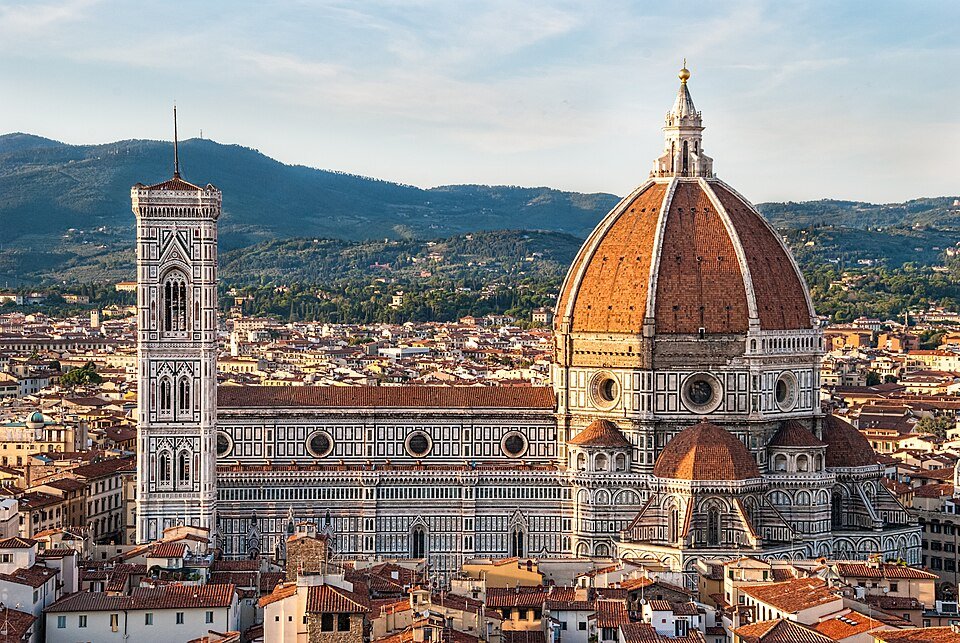
In 1453 Ottoman cannon ended the thousand-year Byzantine Empire, and Greek scholars carried Plato westward into Italy. There the Medici bankers of Florence funded a cultural detonation: Brunelleschi's dome, Botticelli's mythologies, Leonardo's notebooks, Michelangelo's David. Machiavelli, exiled and embittered, wrote The Prince in 1513 — politics studied at last as it is done, not as it ought to be.
Meanwhile a Mainz goldsmith named Gutenberg assembled movable type into a machine around 1440. Books fell in price, literacy climbed, and ideas became contagious. The same hunger that sought classical texts sought new oceans: in 1492 the Reconquista ended at Granada and Columbus sailed west; in 1494 Spain and Portugal carved the undiscovered world between them at Tordesillas; in 1519 Magellan's fleet left Seville and proved the planet round by coming home.
Gold, sugar, silver and syphilis crossed the Atlantic in both directions. Lisbon, Seville and Antwerp grew fat while Venice began its long sunset. Europe had stopped being a peninsula and become a planet — at a cost to the peoples it "discovered" that the chronicle must not smooth over.

A thesis nailed to a church door split Christendom in half — and for a century and a half Europe burned over how to worship.
On All Hallows' Eve 1517, Martin Luther posted ninety-five theses against the sale of indulgences at Wittenberg. The press he never expected to help him carried them across Germany in a fortnight. Summoned to the Diet of Worms in 1521, he refused to recant. Calvin turned Geneva into a Protestant laboratory; Henry VIII broke England from Rome in 1534 for a divorce and a dissolved monastery's wealth. The Peace of Augsburg (1555) patched the empire together with one cynical formula: cuius regio, eius religio — the ruler's realm, the ruler's religion.
It did not hold. The Spanish Armada shattered against England and the Atlantic weather in 1588. In 1618 Protestant nobles hurled two imperial governors from a window in Prague, and the Thirty Years' War began — the worst catastrophe Central Europe would know before 1914. Whole regions lost half their people to armies that lived by plunder.
The Peace of Westphalia (1648) ended the killing with a revolutionary idea: sovereign states, legally equal, free to choose their own faith, balancing one another rather than bowing to pope or emperor. It is the operating system the world still runs.

Kings claimed divine right, philosophers dared to doubt — and Paris proved that thrones could be put on trial.
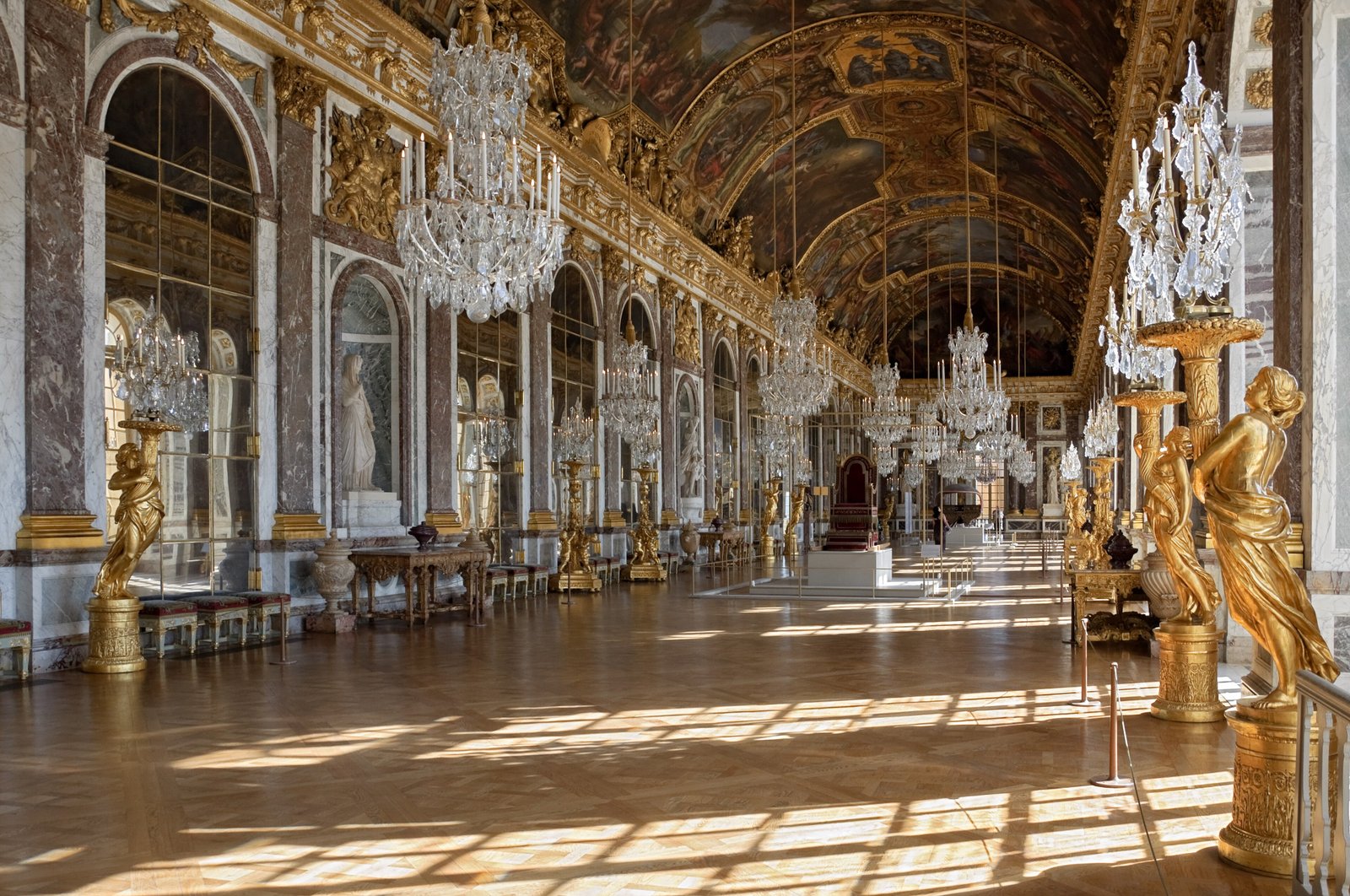
Louis XIV took personal power in 1661 and built Versailles as a cage of gold for his nobility — absolutism perfected. Yet the same century produced its antidote: Newton's Principia (1687) made the universe legible; England's Glorious Revolution (1688) made monarchy conditional; Locke argued for rights, Montesquieu for separated powers. Voltaire mocked, Rousseau yearned, Diderot's Encyclopédie catalogued, Adam Smith explained wealth in 1776. The salon did the demolition work the guillotine would finish.
Bankrupted partly by bankrolling the American Revolution, the French monarchy summoned the Estates-General in 1789 — and lost control of the meeting, the streets, and finally its own head. On 14 July the Bastille fell; in 1793 Louis XVI was executed and the Terror devoured its own authors. Order returned only when a Corsican artillery officer seized it: Napoleon Bonaparte, consul at thirty, emperor at thirty-five.
He redrew the continent by conquest, gave it a legal code, and broke himself on Russia in 1812. Waterloo, 18 June 1815, closed the parenthesis. The Congress of Vienna then engineered a balance of powers that kept general war off the continent for a hundred years.

"Those who do not learn from history are doomed to repeat it — but those who do learn may yet be surprised by the tune."— AFTER EDMUND BURKE · REFLECTIONS · 1790
The century of engines and ideologies — a continent remade by factories, railways and the new religion of the nation.
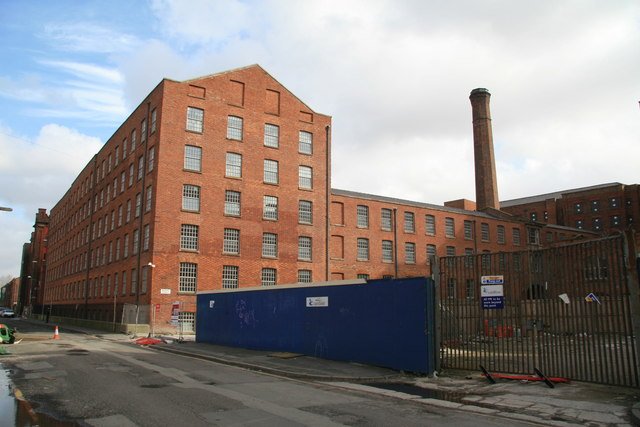
The Vienna settlement kept emperors on their thrones but could not keep steam in the boiler. Railways stitched hinterlands to ports; Manchester's mills out-produced empires; cities doubled every generation. The new masses demanded voice — Chartists in Britain, barricades from Paris to Budapest in the revolutionary spring of 1848. Marx and Engels answered the factory with a manifesto; Darwin, in 1859, answered Genesis with a mechanism.
Nationalism was the era's true dynamo. Cavour and Garibaldi assembled Italy by 1861; Bismarck, "blood and iron," forged Germany by 1871 — proclaimed, pointedly, in Versailles' Hall of Mirrors after crushing France. The new Reich's factories and schools soon outpaced everyone's, and the old powers, anxious, looked outward: the Berlin Conference of 1884 began the scramble that let a handful of European capitals claim most of the planet.
By 1900 Europe ruled or settled nearly every time zone, lit its capitals by electricity, and armed itself into two rigid alliance blocs. The assassination of an archduke in Sarajevo on 28 June 1914 was the spark; the powder had been stacked for forty years.

Twice in thirty-one years the continent tore itself apart — and its moral foundations cracked with it.
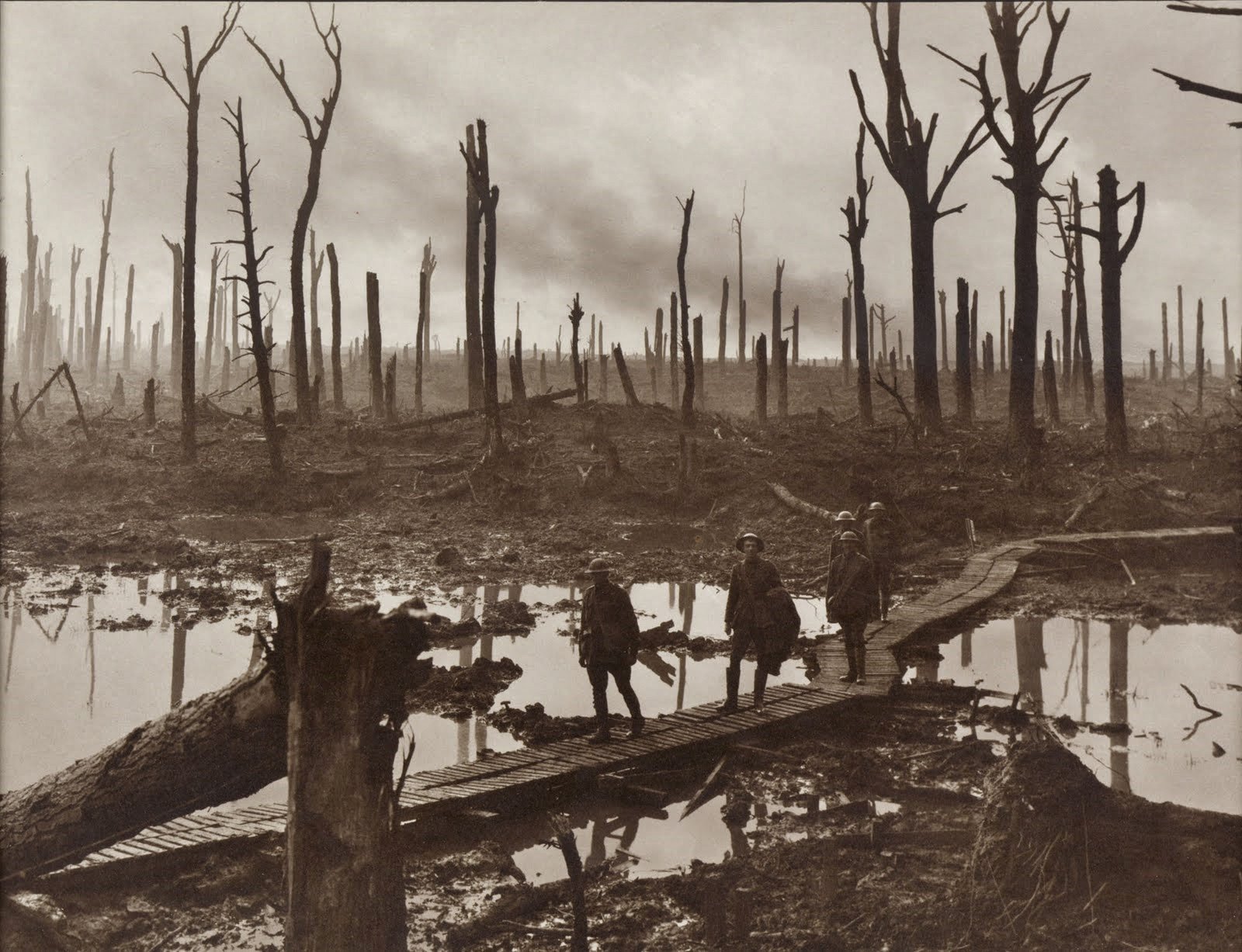
August 1914: mobilisation timetables outran diplomacy. The Marne stopped Germany's sweep west, and trench lines hardened from the Channel to Switzerland. Verdun and the Somme in 1916 taught that industry could spend men like shells. In 1917 Russia collapsed into revolution and America arrived; on 11 November 1918 the guns stopped. Four empires — Romanov, Habsburg, Hohenzollern, Ottoman — were gone. The Treaty of Versailles signed the peace and incubated the next war.
The 1929 crash discredited the democracies that had signed it. Mussolini had already seized Rome in 1922; on 30 January 1933 Hitler was handed the German chancellorship. Spain's civil war (1936–39) rehearsed the weapons. On 1 September 1939 the Wehrmacht crossed into Poland; France fell in six weeks in 1940; Britain stood alone through the Blitz.
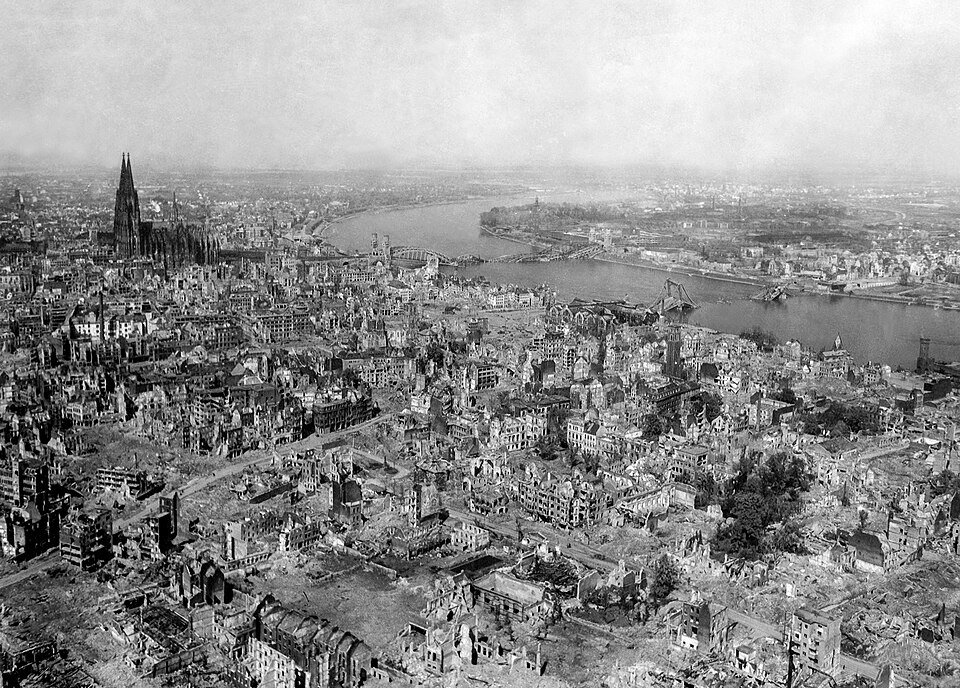
What followed has no precedent: the Holocaust, the industrial murder of six million Jews and millions of others. The tide turned in the snow of Stalingrad (1942–43); it broke on the Normandy beaches on 6 June 1944. Germany surrendered on 8 May 1945 to armies that met in the middle of a continent now divided — sixty million dead, its cities rubble, its future belonging to two non-European superpowers.

"We, too, civilizations — we now know that we are mortal."— PAUL VALÉRY · LA CRISE DE L'ESPRIT · 1919
One continent, two systems: forty-four years of armed peace behind an Iron Curtain — blockade, wall, uprisings, and a long thaw.
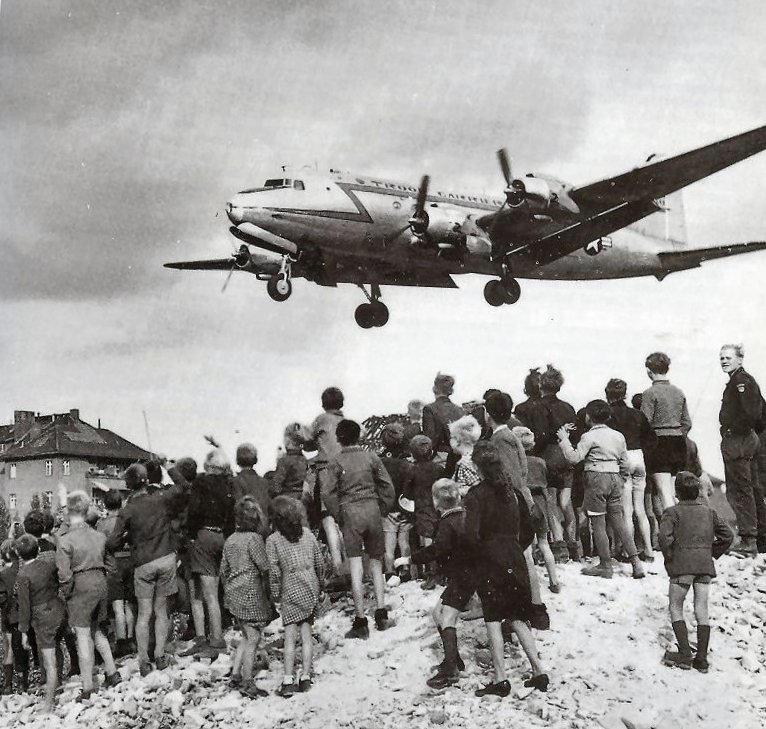
The victors' settlement hardened within three years. Germany was zoned, Poland moved bodily westward, and by 1947 Europe stood split between two doctrines: the Truman Doctrine and Marshall dollars in the west, Soviet satellites in the east. When Stalin blockaded West Berlin in June 1948, the western allies answered not with tanks but with transport planes — 278,000 flights over eleven months, a city fed from the sky. NATO followed in 1949; the two Germanys were born the same year; the Warsaw Pact answered in 1955.
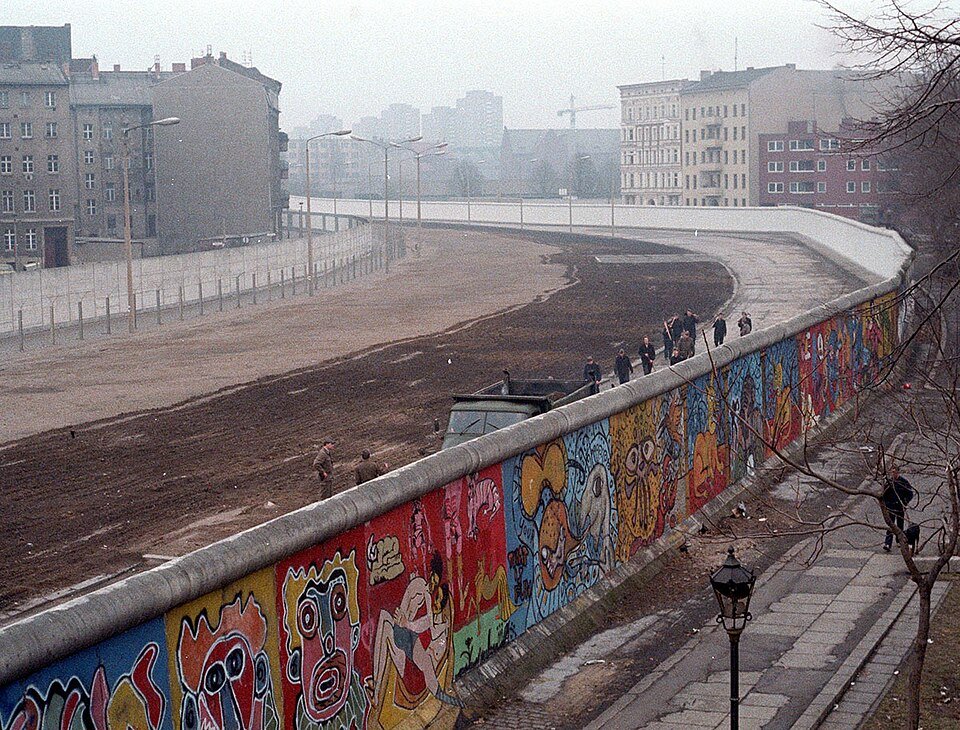
The eastern half never accepted its fate quietly. Workers rose in East Berlin in 1953; Hungary's reform government was crushed by tanks in 1956; the Berlin Wall went up overnight in August 1961 to stop the bleeding of its own people westward; the Prague Spring of 1968 was rolled flat in August. Yet each repression leaked legitimacy. The Helsinki Final Act of 1975 — meant to confirm the status quo — quietly made human rights an international matter; Poland's Solidarity union, founded in 1980, proved civil society could outlast martial law.
Mikhail Gorbachev's reforms after 1985 and the Chernobyl disaster of 1986 exposed the system to itself. Then came the miracle year: 1989. Round-table talks in Poland, the Hungarian border fence cut open, the Wall opened on 9 November, the Velvet Revolution in Prague, and only in Romania did the end come bloody. A year later Germany was reunited. In August 1991 a coup against Gorbachev failed; on 25 December the Soviet flag was lowered for the last time. Europe's division ended not with a war but with a crowd.

After the Wall: the fastest widening of a political order since Rome — then a cascade of crises testing whether the Union could survive peace.
The Maastricht Treaty of 1992 turned the European Community into a Union: citizenship, a single market in force, convergence criteria, and the road to one currency. The euro launched as ledger money in 1999 and slid into pockets in 2002; Schengen erased border checks from Lisbon to Tallinn. Enlargement carried membership from twelve to twenty-eight — ten new states in 2004 alone, the east and west stitched back together fifteen years after the Wall fell.
Then the crises queued up. The 2008 crash became a eurozone debt crisis — Greece bailed out in 2010, austerity politics, and an open question about whether a currency could survive without a treasury. In 2015 more than a million people arrived seeking refuge, splitting member states. In 2016 Britain voted to leave, and in 2020 became the first to do. Yet the pandemic year produced the Union's most federal moment: an €800-billion joint recovery fund, debt shared in common for the first time at scale.
In February 2022 war returned to the continent with Russia's full-scale invasion of Ukraine. The Union answered with sanctions, refugee protection and a new appetite for defence; NATO grew again with Finland and Sweden. Today twenty-seven states and some 450 million people share the experiment: imperfect, often slow, still the largest voluntary pooling of sovereignty in history — and still unfinished.

Seventy events now in the record. Drag — the nearest moment resolves.
Ottoman cannon end the Byzantine Empire; Greek scholars carry the classics west into the Renaissance.
Open each hinge of history. Everything else in this chronicle swings on these doors.
No barbarian horde stormed a capital that was already hollowed. The Western empire fell because its tax base shrank, its armies went mercenary, and its frontier peoples wanted in rather than out. When Odoacer deposed Romulus Augustulus he did not even bother to claim the title for himself — he mailed the imperial regalia to Constantinople.
The consequences ran a millennium: no single state ever again ruled Western Europe. Out of the fragments grew the patchwork of kingdoms, the papacy's temporal power, and the habit of political plurality that distinguishes Europe from every other imperial civilisation.
Gutenberg's press cut the cost of a book by orders of magnitude. Within fifty years Europe had printed more pages than in the previous thousand years of copying by hand. Fixed, identical texts replaced scribal drift; pamphlets became weapons.
Without print there is no Luther — his theses crossed Germany in two weeks — no standardised vernaculars, no scientific journals, no newspapers. It is the fifteenth-century internet, with the same double edge: it spread the Bible in German and the witch-hunter's manual in the same decade.
Luther intended to reform a church, not found new ones. But the combination of his theology, German princes' appetite for church lands, and the new press made the breach irreparable. Christendom — Europe's thousand-year shared identity — split permanently.
The wars that followed were terrible, but the settlement they produced was revolutionary: states sovereign over their own religion, toleration as policy rather than heresy, and — slowly — the modern secular state rising above the confessions.
For the first time, a great monarchy was not merely defeated but put on trial and executed in the name of its own people. Sovereignty moved from crown to nation in one summer; the Declaration of the Rights of Man made that nation's citizens equal before the law.
The Revolution exported both emancipation and total war. Napoleon carried its code across Europe; the resistance to him invented nationalism in Spain, Germany and Russia. Left and right, nation and citizen, constitution and terror — the political vocabulary of the next two centuries was minted in Paris.
Europe's rulers sleepwalked into the war they had spent forty years preparing. Mobilisation timetables, alliance tripwires and imperial anxieties converted one Balkan assassination into a continental inferno within five weeks.
The war ended Europe's global primacy, destroyed three empires, radicalised politics, and — through veterans, debt and humiliation — seeded both fascism and the second war. Historians argue about everything else; almost none dispute that 1914 is where the old continent's long nineteenth century died.
A botched press conference, an open gate, and ten thousand Berliners with hammers did what no army had managed: ended the Cold War's division of Europe without a great-power war. Within two years the Soviet Union itself had dissolved.
1989 reunited Germany, freed Eastern Europe into the EU and NATO, and briefly suggested that liberal democracy had won history outright. The decades since have tested that optimism — but the wall's fall remains the last moment all of Europe agreed, on the same night, about what had changed.
Bar length scales with estimated casualties — the grim arithmetic that decided which language, law and faith survived. All figures approximate.
BAR LENGTH ≈ CASUALTIES · SCALE SET BY STALINGRAD (c. 2M CASUALTIES) · ALL FIGURES APPROXIMATE
Every weapon on this strip remade politics as well as battlefields — the longbow unseated knights, the machine gun dug trenches, and the atom made the next chapter think twice.
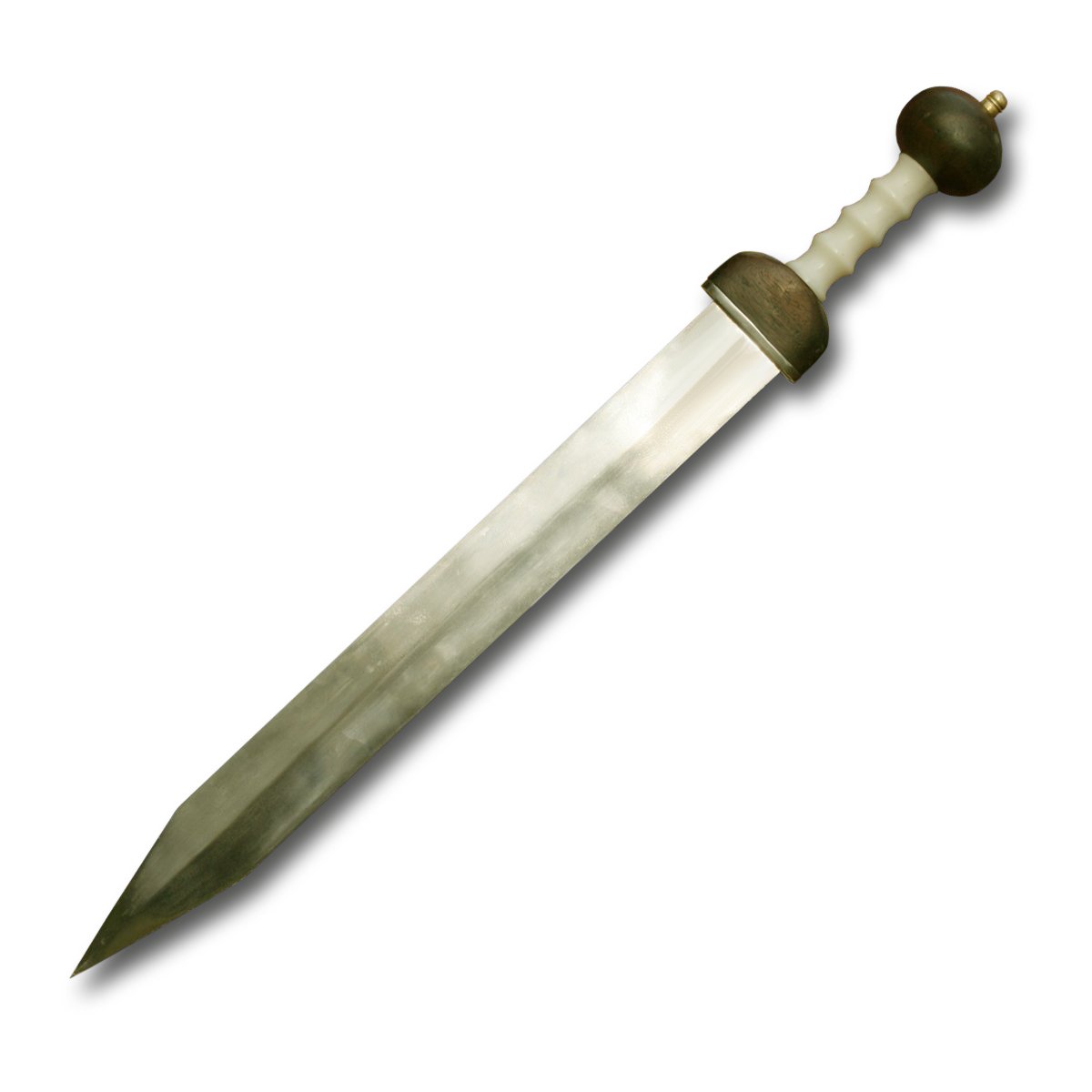
c. 200 BCA short sword for close order: the legion's secret was not the blade but the discipline behind it.
c. 1300sArrows like weather at Crécy and Agincourt; the armoured knight learns he is a target, not a lord.
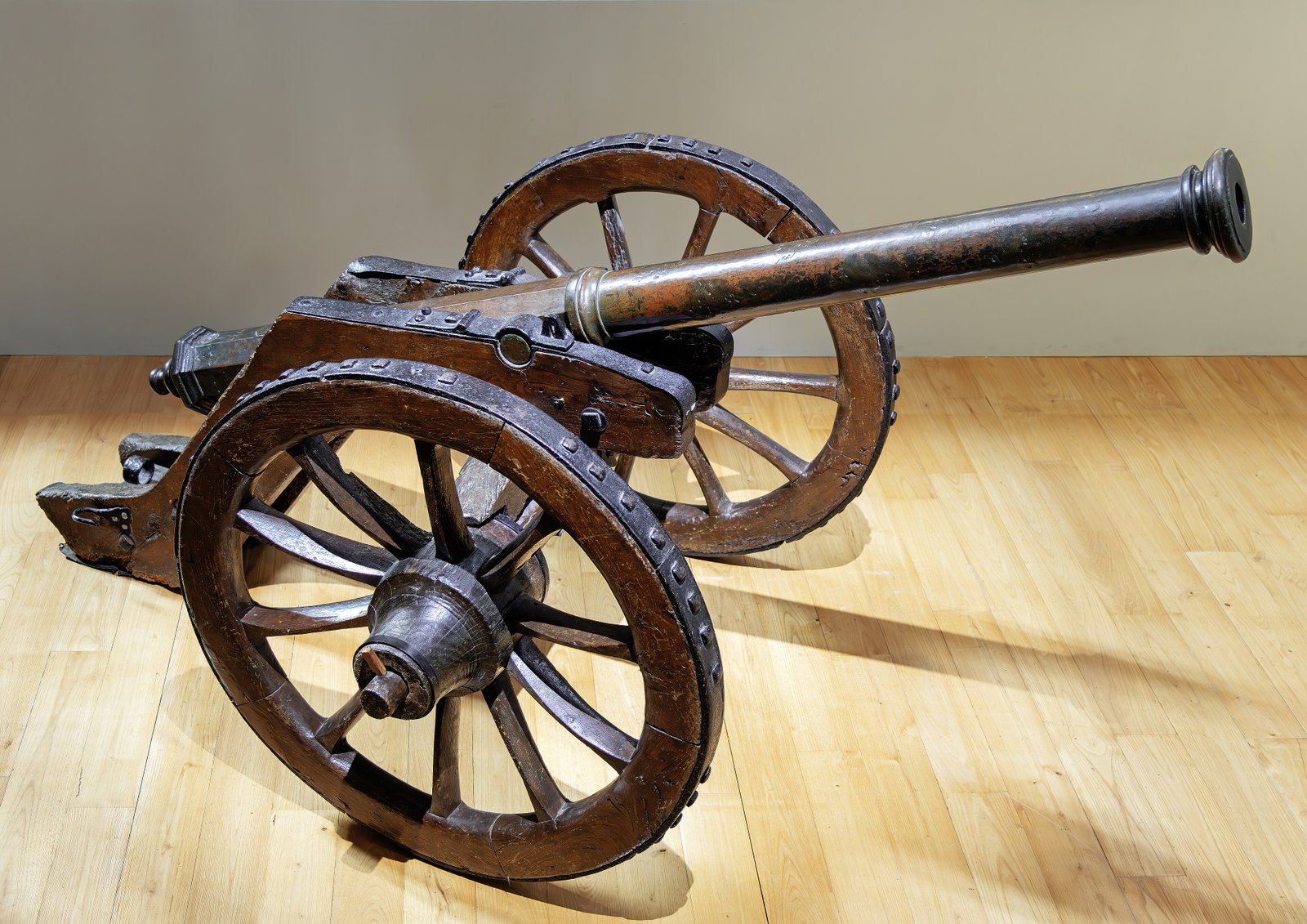
c. 1340sWalls stop working. Castles become bastions, cities become expensive, and Constantinople's thousand-year defences fall in 1453.
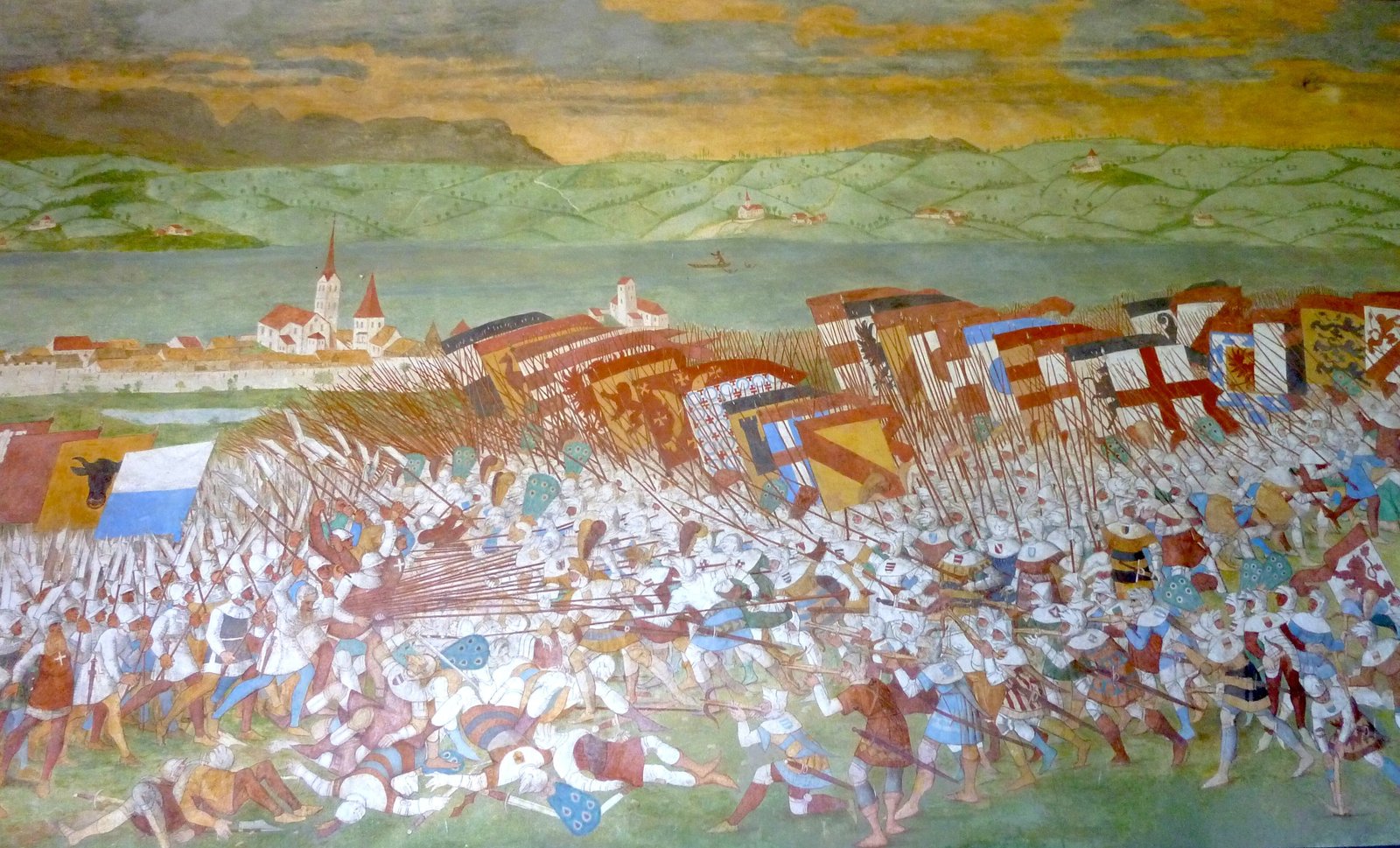
c. 1500sSwiss pike squares and Spanish arquebus together: infantry becomes queen of the battlefield for two centuries.
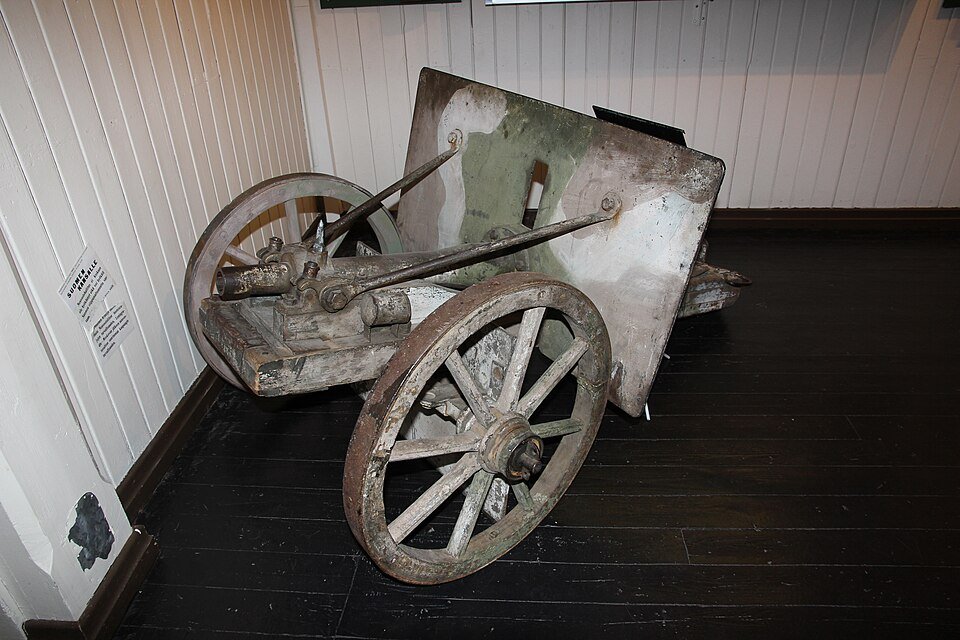
c. 1700Standardised musketeers fight in lines; wars become calculations of drill, supply and credit.
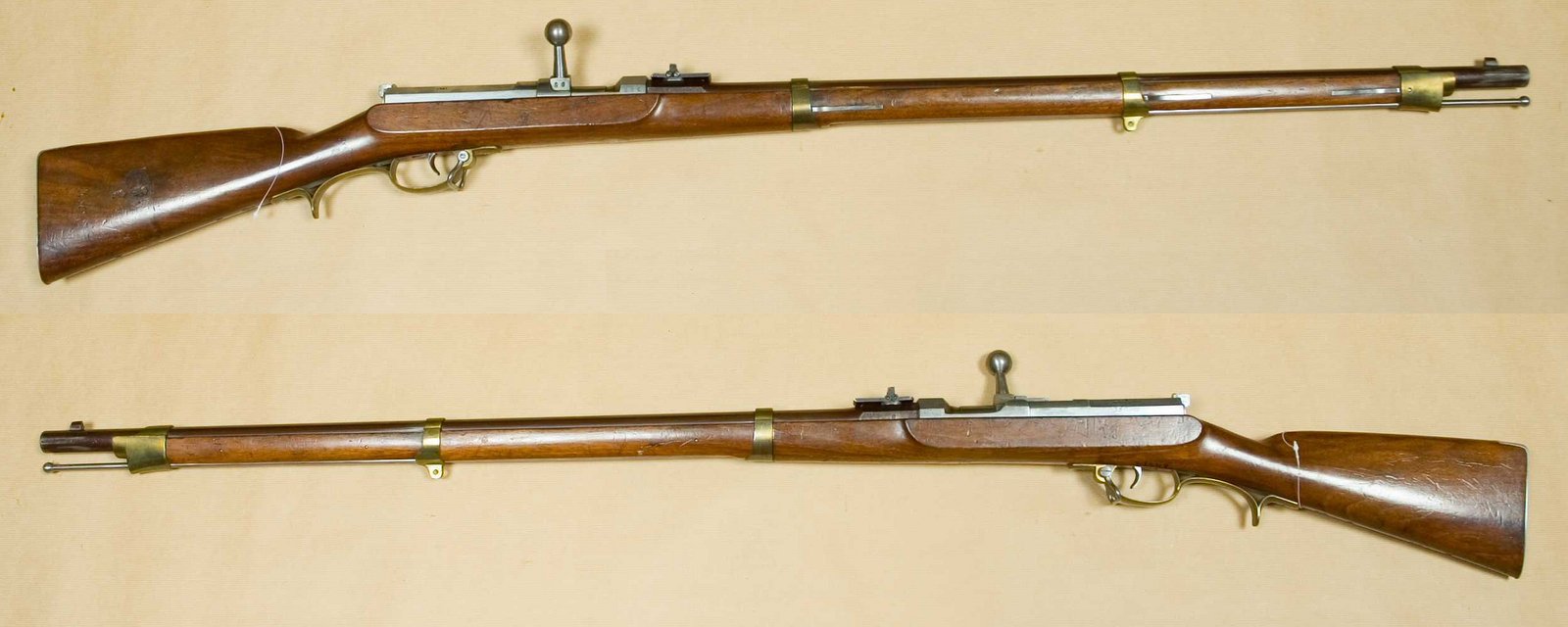
1860sPrussia's needle gun wins 1866 and 1870 — and every army copies the lesson it misreads: firepower outruns tactics.
1884Maxim's invention: one gun, six hundred rounds a minute. The weapon that digs the trenches and keeps them.
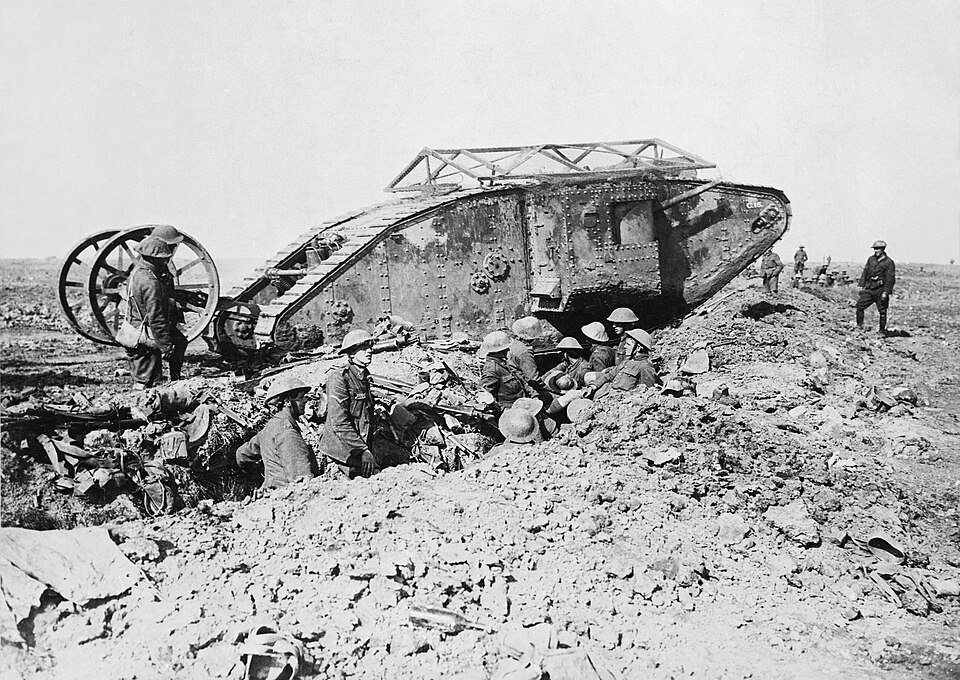
1916Britain's answer to the trench, clumsy at the Somme, perfected by 1940 into the Blitzkrieg's fist.
1940sThe city becomes the target: Coventry, Hamburg, Dresden. The ledger's darkest entries are written from above.
1945 →Never used over Europe again — the longest great-power peace in the chronicle is kept partly by fear, codified in NATO.
◄ DRAG TO TRAVEL ►
Europe builds walls to say here, and no further — and every one of them eventually becomes a quarry, a museum, or a memory. The last entry on this ledger is the absence of one.
BAR LENGTH ≈ RELATIVE LENGTH OF THE FORTIFICATION (APPROX.)
Years of great-power war on European soil, per century. The chronicle's final argument in one chart: Europe did not merely grow tired of war — it built institutions that made war between its members nearly impossible.
BAR LENGTH = APPROXIMATE YEARS OF GREAT-POWER WAR · AFTER HISTORICAL WAR-DATASETS · ESTIMATES SIMPLIFIED
Every power Europe produced, measured against the longest-lived of them all. The bar is duration; the note is the cause of the end.
BAR LENGTH = LIFESPAN · SCALE SET BY BYZANTIUM (1,058 YEARS) · ALL FIGURES APPROXIMATE
Citizen-soldiers, then professional legions; roads and law that made conquest worth keeping; a genius for turning enemies into citizens.
Trajan's reign, AD 117: the Mediterranean a Roman lake, 80,000 km of roads, trade from Britain to India.
A shrinking tax base paying mercenaries, civil wars over succession, and migrating peoples the empire could no longer absorb. The West was not conquered; it was inherited, piecemeal.
Constantinople's walls and position, a professional bureaucracy, gold currency, and diplomacy as a weapon of state.
Justinian and Theodora, c. 550: Italy and North Africa reclaimed; the Hagia Sophia raised — the largest church on earth for nine centuries.
Worn down by Persians, Arabs, Normans and a Latin sack of its own capital in 1204, the shrunken empire outlived its strength by two and a half centuries before Ottoman cannon finished the job.
Mayors of the palace who out-governed their kings: cavalry, papal alliance, and a court that made learning a state project.
Charlemagne, 800–814: one crown from the Ebro to the Elbe; the Carolingian Renaissance copies the classics that survive today.
Inheritance law: the empire was family property, so it was divided at Verdun (843) faster than it could consolidate — then Viking, Magyar and Saracen raids finished the heirs.
Marriage more than conquest: Burgundy, Spain and Austria fused; then American silver made it the banker of Europe's wars.
The 1580s: the Iberian crowns united, Manila and Lisbon linked, tercios unbeaten — "the empire on which the sun never sets," first said here.
Silver financed wars it could not win: the Dutch Revolt, the Armada, two generations in Germany. The crown declared bankruptcy eight times; the dynasty ended with one sickly, childless king.
The Revolution's mass conscription plus one military genius: meritocratic corps, speed, and the annihilation battle. Europe's map was redrawn every season.
1810–12: from Hamburg to Naples under direct or satellite rule; 130 departments of France; the Code Civil imposed as far as Warsaw.
Overreach in its purest form: Spain's guerrilla ulcer, then 600,000 men into Russia in 1812 and fewer than 100,000 back. One coalition too many, and Waterloo settled the account.
A frontier warrior-state with the best artillery in the world, janissary infantry, and a merit system that recruited talent regardless of birth.
Suleiman the Magnificent's 1520s: Belgrade, Rhodes and Buda taken, Vienna besieged, the Mediterranean half-Ottoman.
The long retreat begins at Karlowitz (1699); nationalism peels the Balkans away province by province, and the war of 1914–18 finishes what the centuries started.
Sea power, public credit and industrial lead: an empire run from counting-houses as much as from warships, stitched together by cable and coal.
1921: a quarter of mankind and a quarter of the land under one flag; the Royal Navy answers to no rival.
Two world wars bankrupted the metropole and armed the argument for self-rule; decolonisation 1947–80 turned the empire into a commonwealth, and Hong Kong closed the ledger in 1997.
Democratic collapse, national humiliation and economic ruin — weaponised by a movement conservatives believed they could tame. Power was seized legally, then used to end law itself.
1942: flags from the Channel to the Volga — a criminal empire whose occupation was extraction and murder, and whose war was genocide.
A two-front war against half the world; the only exit the regime allowed was total destruction. It lasted twelve years of a promised thousand — the ledger's proof that overreach and evil are the same arithmetic.
A rising power solves hard problems better than its rivals — better roads, better credit, better drills, better ships. Energy, merit and a unifying idea pull talent toward the centre.
Wealth monumentalises itself: forums, domes, palaces, world fairs. Confidence becomes style; style becomes complacency. The system stops asking what made it work.
Commitments outgrow capacity. Frontiers lengthen, debts compound, succession crises multiply, and every problem is answered by the same exhausted instrument: one more war, one more loan.
Rarely one blow. The fraying centre simply lets go — and the most powerful structure in the world becomes, within a single reign, a memory and a moral lesson.
Wars decide; treaties remember. Each of these documents outlived every army that made it necessary.
Charlemagne's grandsons carve the Frankish empire into thirds.
RESULT · FRANCE AND GERMANY BECOME POSSIBLEEnds the Thirty Years' War with sovereign, legally equal states.
RESULT · THE OPERATING SYSTEM OF MODERN POLITICSEnds the War of the Spanish Succession; crowns are separated, colonies traded.
RESULT · "BALANCE OF POWER" BECOMES POLICY, NOT JUST PHRASEMetternich's congress resets the map after Napoleon and invents congress diplomacy.
RESULT · NO GENERAL EUROPEAN WAR FOR A CENTURYEnds the Great War with war guilt, reparations and new nations.
RESULT · A TWENTY-YEAR ARMISTICE, AS FOCH WARNEDHungary loses two-thirds of its territory and a third of its Magyar people.
RESULT · A GRIEVANCE THAT LIVES IN BUDAPEST TO THIS DAYSix nations pool their markets in the European Economic Community.
RESULT · THE SEED DOCUMENT OF TODAY'S UNIONThirty-five states — both blocs — sign a charter including human rights.
RESULT · THE DISSIDENTS' WEAPON, SHARPENED BY THEIR JAILERS' SIGNATURESCreates the European Union, its citizenship and the roadmap to one currency.
RESULT · THE LARGEST VOLUNTARY POOLING OF SOVEREIGNTY IN HISTORYModernises EU institutions, introduces the Article 50 exit clause, and strengthens the Parliament.
RESULT · THE ARCHITECTURE OF THE MODERN UNIONIdeas don't just appear; they are invented, codified, and spread.
Athens: The first democracy is established.
Bologna: The first degree-granting university opens.
Magna Carta: The first constitutional limit on a monarch.
Mainz: The first movable type printing press in Europe.
First modern anatomical atlas (Vesalius) and heliocentric theory (Copernicus).
Amsterdam: The first joint-stock company and public stock exchange.
The first modern encyclopaedia by Diderot and d'Alembert.
Declaration of the Rights of Man: The first modern declaration of universal rights.
Stockton & Darlington: The first public passenger railway opens.
Benz: The first practical automobile is built.
Lumière brothers: The first commercial film screening takes place.
ECSC: The first supranational European institution is formed.
Armies conquer for a generation; statutes conquer for a millennium.
Rome's first law, cast in bronze and posted where any citizen could read and argue with it.
LEGACY · THE CIVIL LAW TRADITION'S FIRST SENTENCEJustinian's codification of a millennium of Roman jurisprudence, rediscovered at Bologna in the 1070s.
LEGACY · THE BASE CODE OF EUROPEAN CIVIL LAWSixty-three clauses, most technical, one immortal: the sovereign is under the law, not above it.
LEGACY · HABEAS CORPUS · PARLIAMENT · DUE PROCESSSovereign equality of states, written into treaty law after thirty years of slaughter.
LEGACY · THE GRAMMAR OF INTERNATIONAL LAWEngland's convention parliament makes monarchy conditional on statute.
LEGACY · CONSTITUTIONAL MONARCHY; ECHOES IN 1776 AND 1789Seventeen articles claiming rights belong to humans, not subjects — portable, universal, contagious.
LEGACY · THE LANGUAGE OF EVERY CONSTITUTION SINCENapoleon's clearest victory: one plain, portable book of law replacing a thousand local customs.
LEGACY · STILL THE MODEL FOR DOZENS OF NATIONSEven war gets rules: field hospitals neutral, the wounded protected, a red cross on white.
LEGACY · HUMANITARIAN LAW, AMENDED BUT UNBROKENDrafted in Paris by survivors' generation; thirty articles against the memory of the camps.
LEGACY · THE CONSCIENCE OF THE POST-WAR ORDEREurope goes one step further than the UN: a court at Strasbourg with power over its own signatories.
LEGACY · A TRIBUNAL ABOVE THE STATEDynasties are empires measured in generations. Bars scaled to the Capetian line.
BAR LENGTH = DURATION ON THE THRONE · SCALE SET BY THE CAPETIAN LINE (805 YEARS)
Europe's other specialty: the people in the street. Each row carries its verdict — success, compromise, or the wheel.
BAR LENGTH ≈ DURATION & SCALE OF THE UPHEAVAL · VERDICTS ARE HISTORICAL ASSESSMENTS
Power has never stayed put. Drag through the cities where the centre of gravity rested — and why it moved on.
27 BC — AD 476The city that gave Europe law, roads and its name for empire. Its fall moved the centre east, never back.
330 — 1453The New Rome: walls that held for a millennium, gold coinage trusted from Scandinavia to India, and the classics kept safe.
c. 768 — 840Charlemagne's palace-city: the court that crowned an emperor and ran a continent's revival of learning from one chapel.
c. 1400 — 1550Not an empire but a bank and a workshop: Medici credit, Brunelleschi's dome, and the idea that beauty is a form of power.
c. 1561 — 1640The hub of the first global empire: American silver, tercios, and a court where the sun famously never set.
1648 — 1815 · & 1900Twice the centre: under the Sun King's culture and Napoleon's armies; then again as the world's laboratory of revolution, art and ideas.
1815 — 1914The workshop, banker and admiral of the industrial century: cables, credit and coal binding a quarter of mankind to one island.
1958 — PRESENTThe least imperial capital on this list — and the point. Power exercised here by commission, committee and compromise.
◄ DRAG TO TRAVEL ►
Before treaties bound Europe, roads did. Every era laid its own connective tissue — and each one carried more than goods.
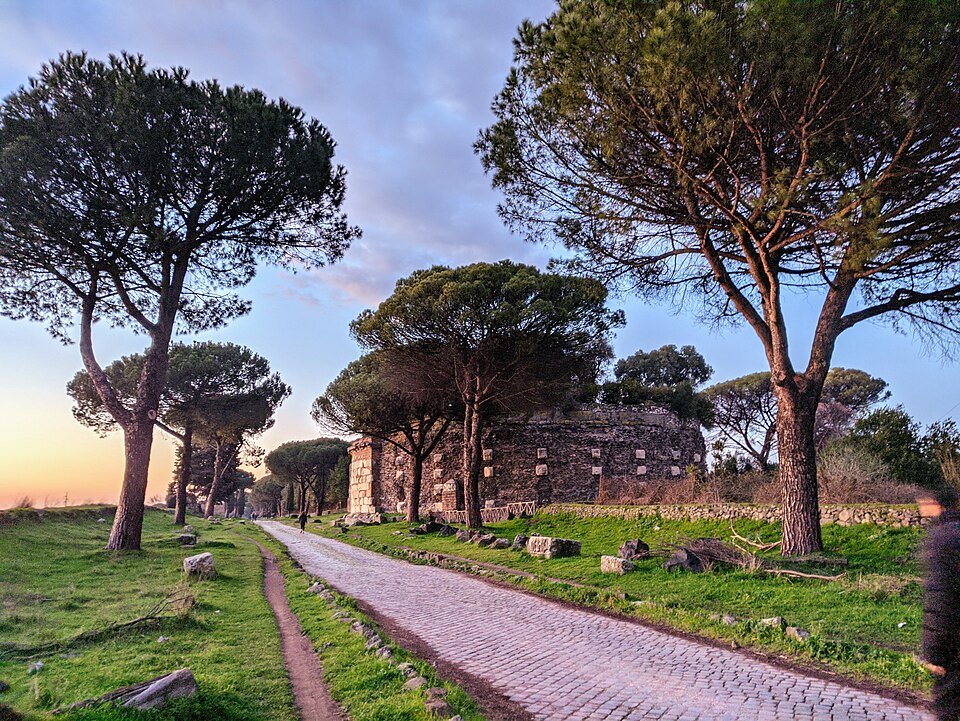
312 BCThe "queen of roads" binds Rome to Italy; every Roman road after it is logistics, propaganda and law poured into stone.
c. 130 BC →Silk, glass, faiths and fleas travel the steppe corridors; Venice and Genoa grow rich as Europe's toll-booth on the East.
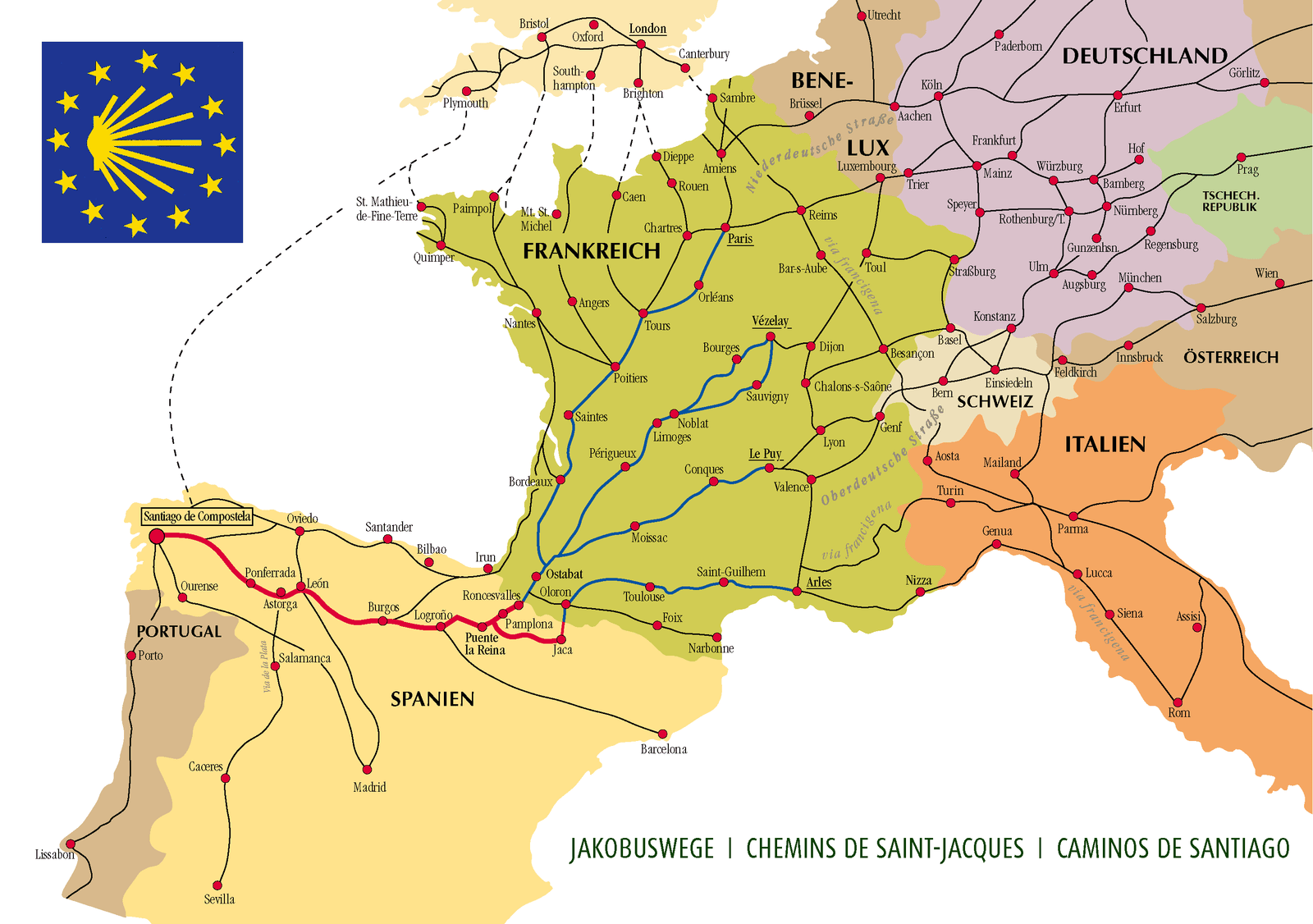
c. 900sThe first mass-travel route: millions of pilgrims walk to Galicia, and an entire economy of bridges, hospices and towns grows along their footsteps.
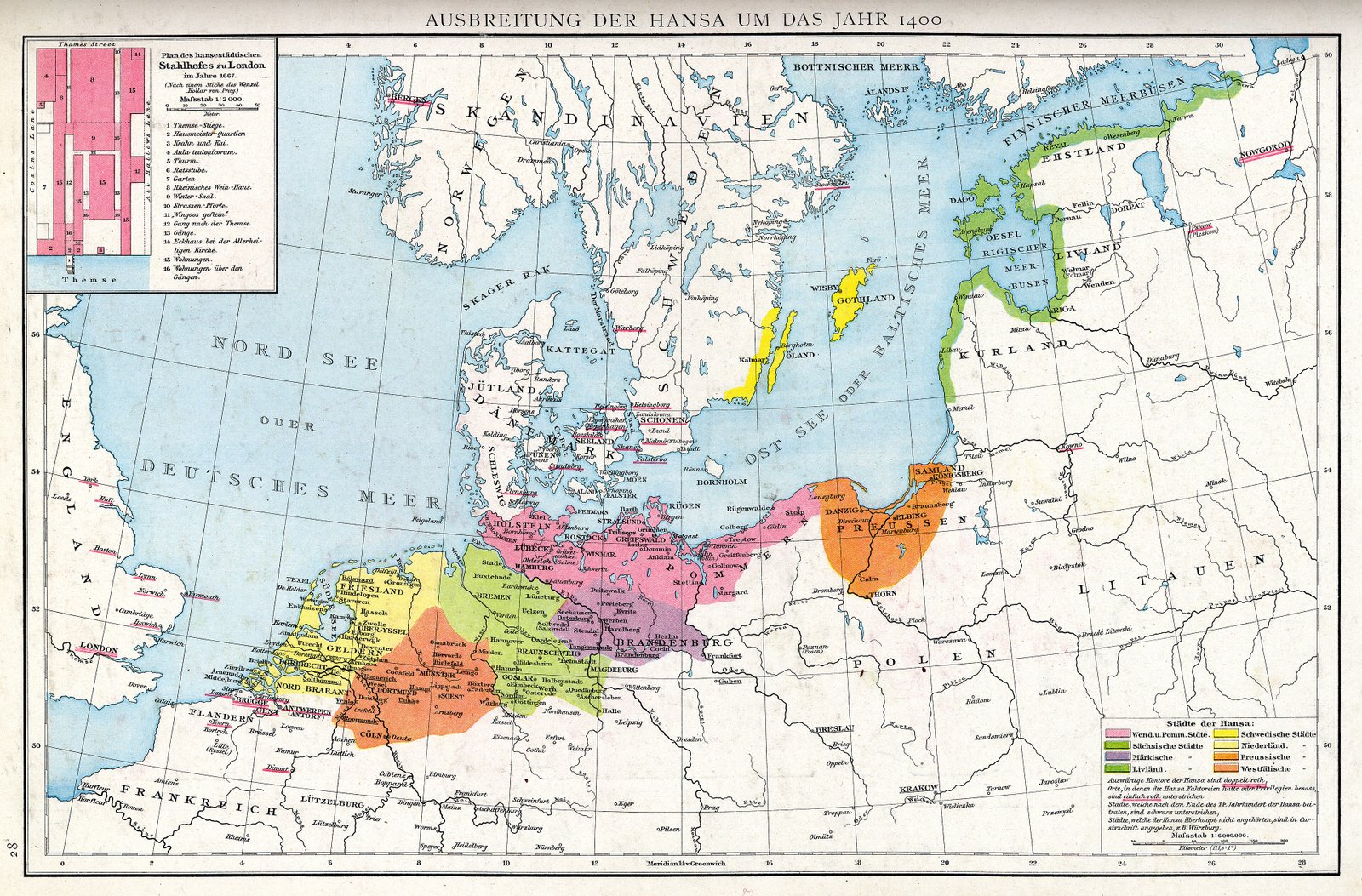
1200s – 1500sCod, salt, timber and fur move between ninety towns from Novgorod to Bruges — commerce without a state, run by contracts and convoys.
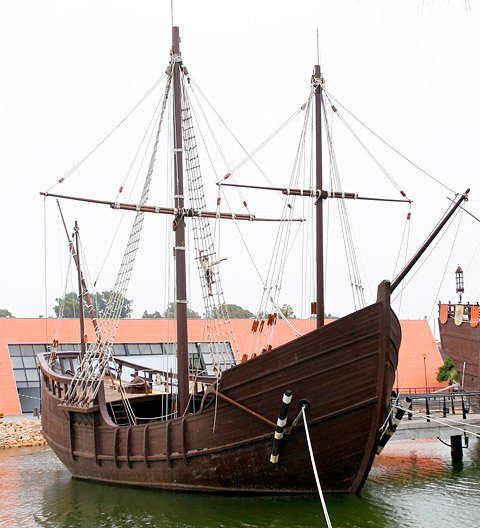
1498Da Gama reaches India around Africa; the old middlemen's margins collapse and the Atlantic becomes Europe's highway for four centuries.
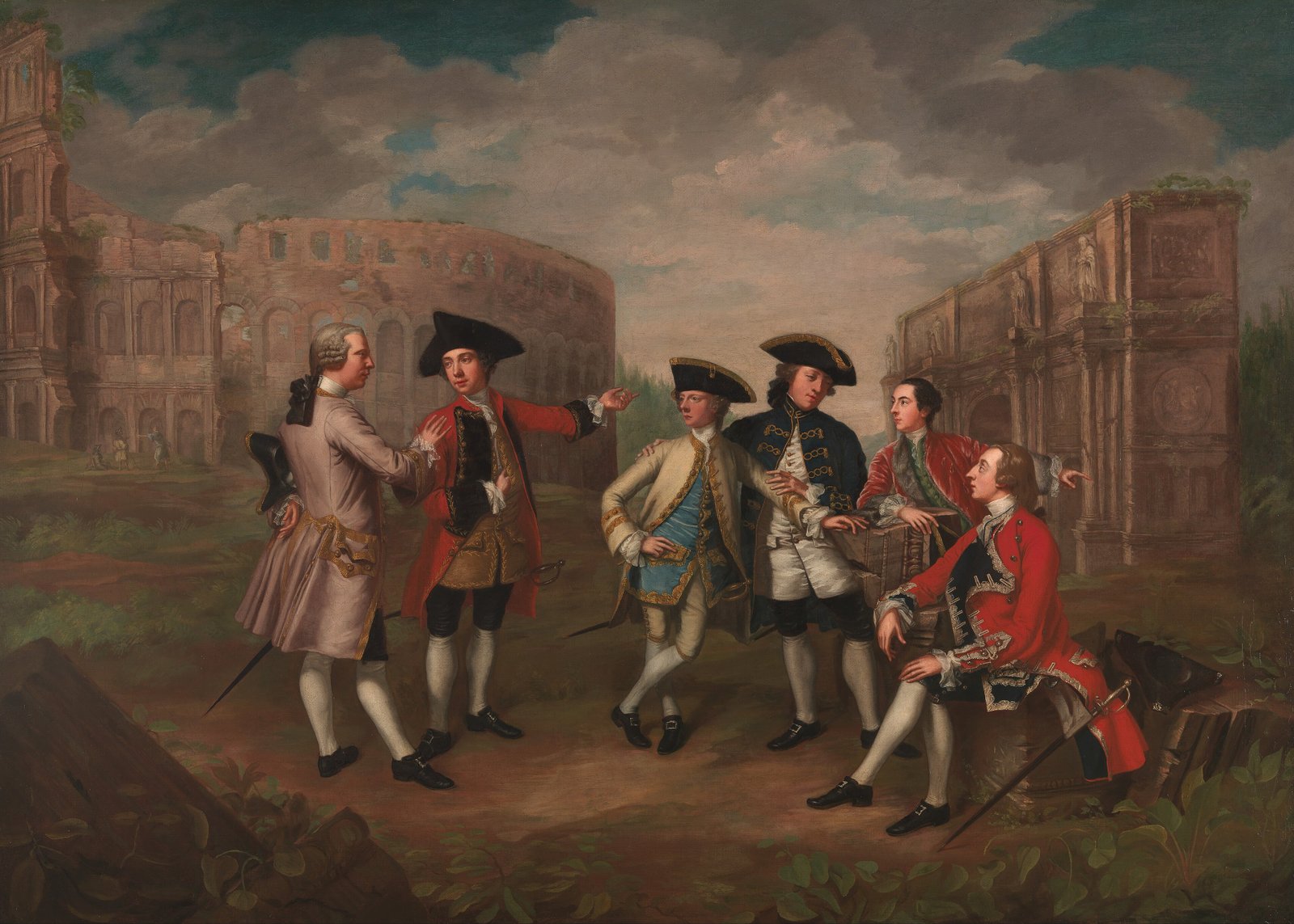
1600s – 1800sEurope's elites finish their education by coach through Paris, Florence and Rome — the invention of travel as self-improvement, and of the guidebook.
1825 →From Stockton to the Orient Express (1883), the continent becomes one timetable; time itself is standardised so the trains can run.
1987 / 1995 →The Union turns movement into citizenship: students cross borders by right, checkpoints vanish, and the oldest of European habits — going elsewhere — becomes a legal entitlement.
◄ DRAG TO TRAVEL ►
Eight keels that rewired the planet. Bars scaled to the distance sailed — Magellan's loop set at full width.
BAR LENGTH ≈ DISTANCE SAILED · SCALE SET BY THE MAGELLAN–ELCANO LOOP (c. 69,000 KM)
Before ideologies, there were goods. Every one of these cargoes funded wars, founded cities, fed revolutions — or starved them.
Worth its weight in land before 1498; the reason Europe learned to sail. Da Gama's voyage is a spice invoice with keels attached.
CHANGED · THE AGE OF DISCOVERY EXISTS BECAUSE OF THIS AISLEPlantation sugar built fortunes from Lisbon to Liverpool — and its ledger was written in enslaved labour across the Atlantic. No European commodity carries a heavier moral debt.
CHANGED · CAPITAL, COLONIES, AND A CRIME THAT OUTLIVED ITS PROFITSHanseatic barrels provisioned half the continent's fasting days; salt cod carried Columbus and sustained the fleets that fought over the fisheries themselves.
CHANGED · THE HANSEATIC LEAGUE · THREE 20TH-CENTURY "COD WARS"Arrives from the Andes c. 1700; doubles the calories an acre can feed, and helps double Europe's population. When the blight comes in 1845, Ireland loses a quarter of its people.
CHANGED · DEMOGRAPHY — AND THE LARGEST EMIGRATION IN THE RECORDCoffeehouses from London to Vienna are "penny universities": stock exchanges, newspapers and revolutions are all sketched over cups.
CHANGED · LLOYD'S · THE ENCYCLOPÉDIE · THE HABIT OF PUBLIC REASONThe cargo that replaced muscle with machines, Manchester with empire, and wood-starved scarcity with industrial plenty — and left its smoke in the climate ledger we now pay.
CHANGED · EVERYTHING — IT IS LITERALLY THE "C" IN THE ECSC OF 1950Empires fall; what they carried forward rarely does. Alongside the political chronicle runs a second history — of institutions and instruments that outlived every flag above them.
FOURTEEN MILESTONES · 1088 — 1989
Every century painted its own self-portrait. Drag through the movements — each one a reaction to the one before.
c. 900 — 1150Round arches, thick walls, fear of God rendered in stone.
1140 — 1500Light, height, glass: theology turned into engineering.
1400 — 1600Perspective, anatomy, the human body restored as the measure.
1600 — 1730Motion, gold, drama — the Counter-Reformation staging awe, and absolutism staging itself.
1750 — 1830Rome again, by lamplight: virtue in marble for the age of revolutions.
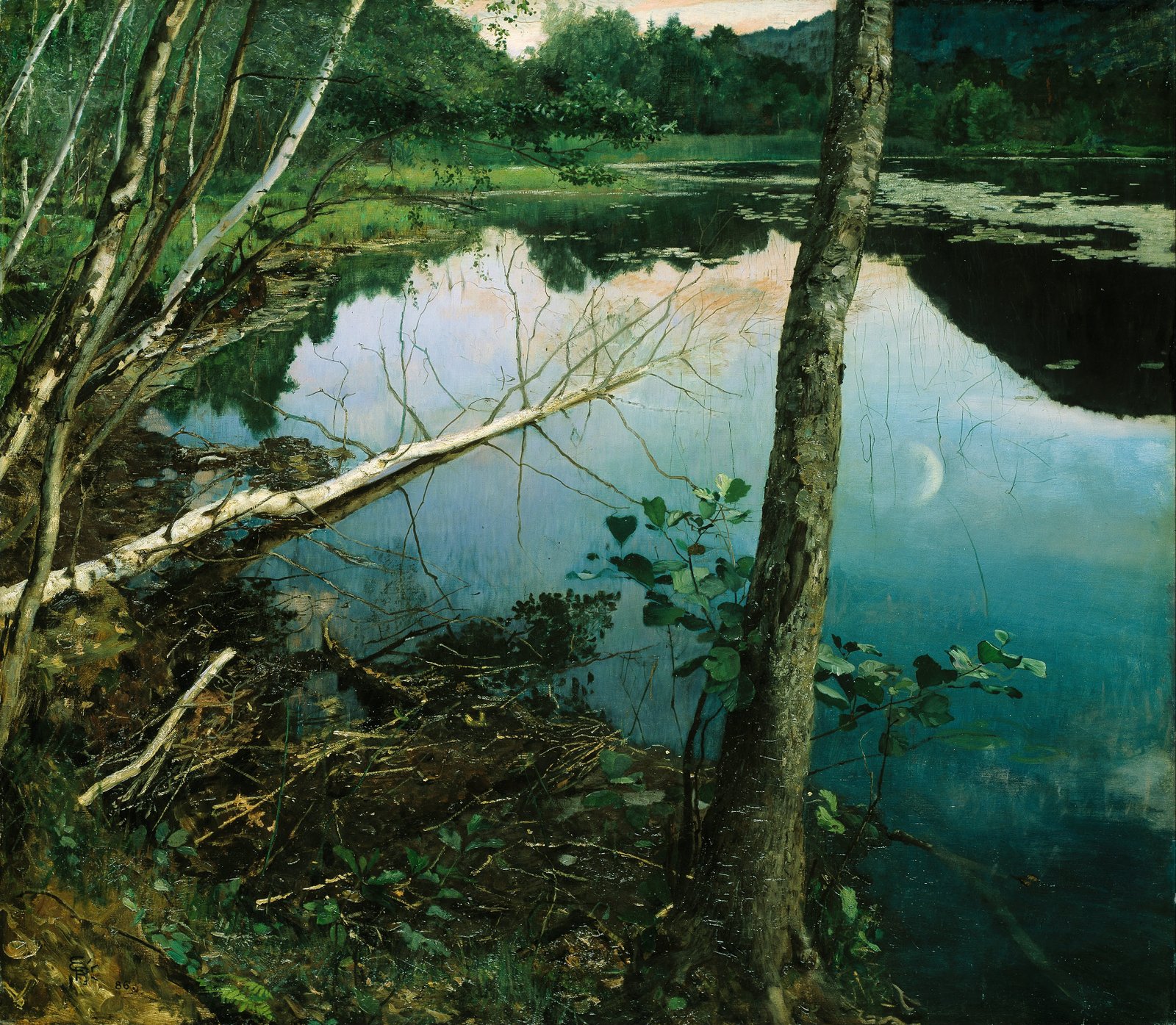
1800 — 1850Feeling against the machine: storms, ruins, folk songs and the sublime.
1840 — 1880Paint the coal, the field, the funeral — nothing idealised, nothing excused.
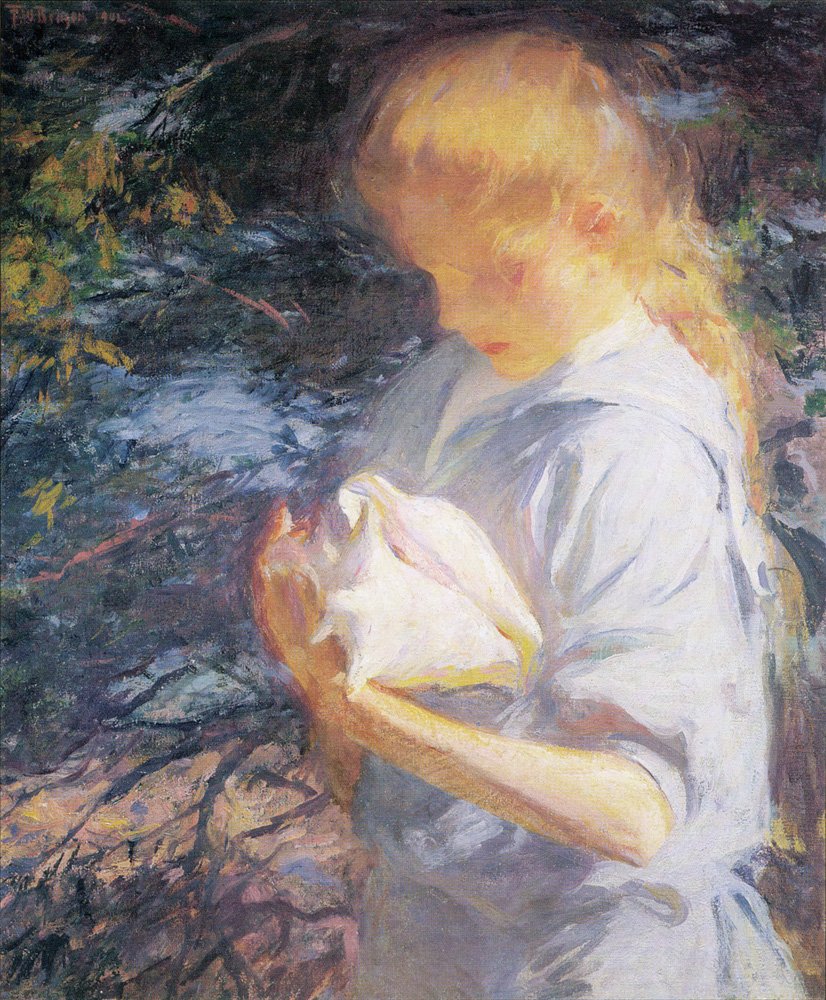
1870 — 1900Light itself becomes the subject; the canvas leaves the studio.
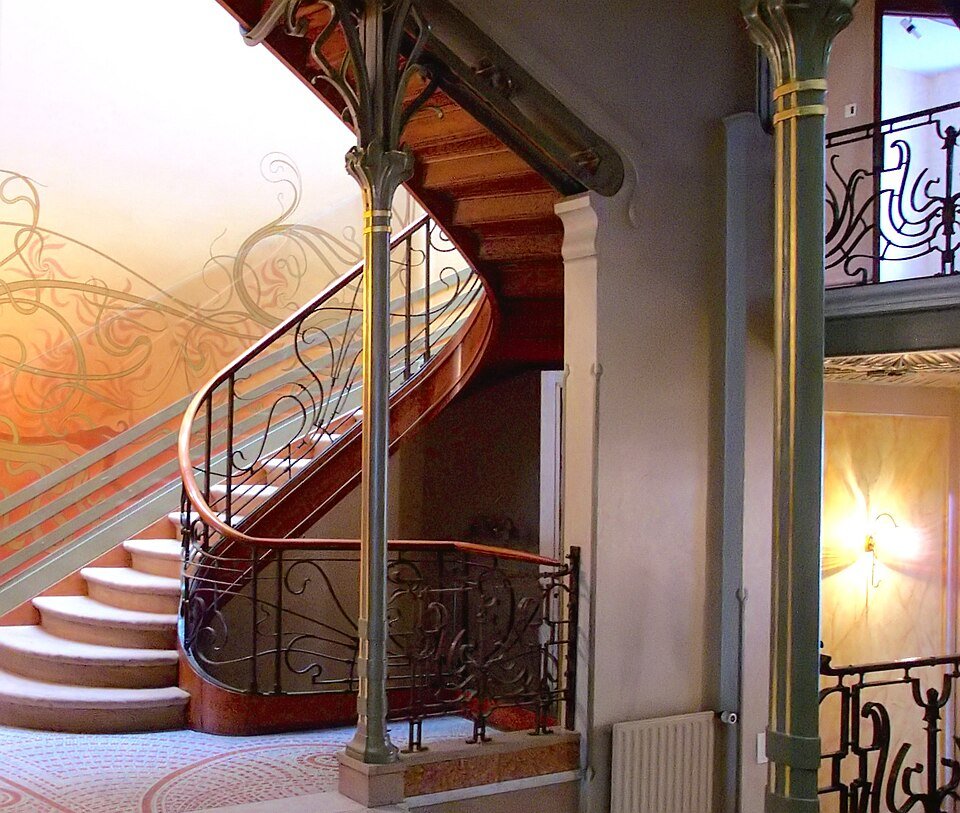
1890 — 1910Iron bends into flowers; metro entrances become orchids.
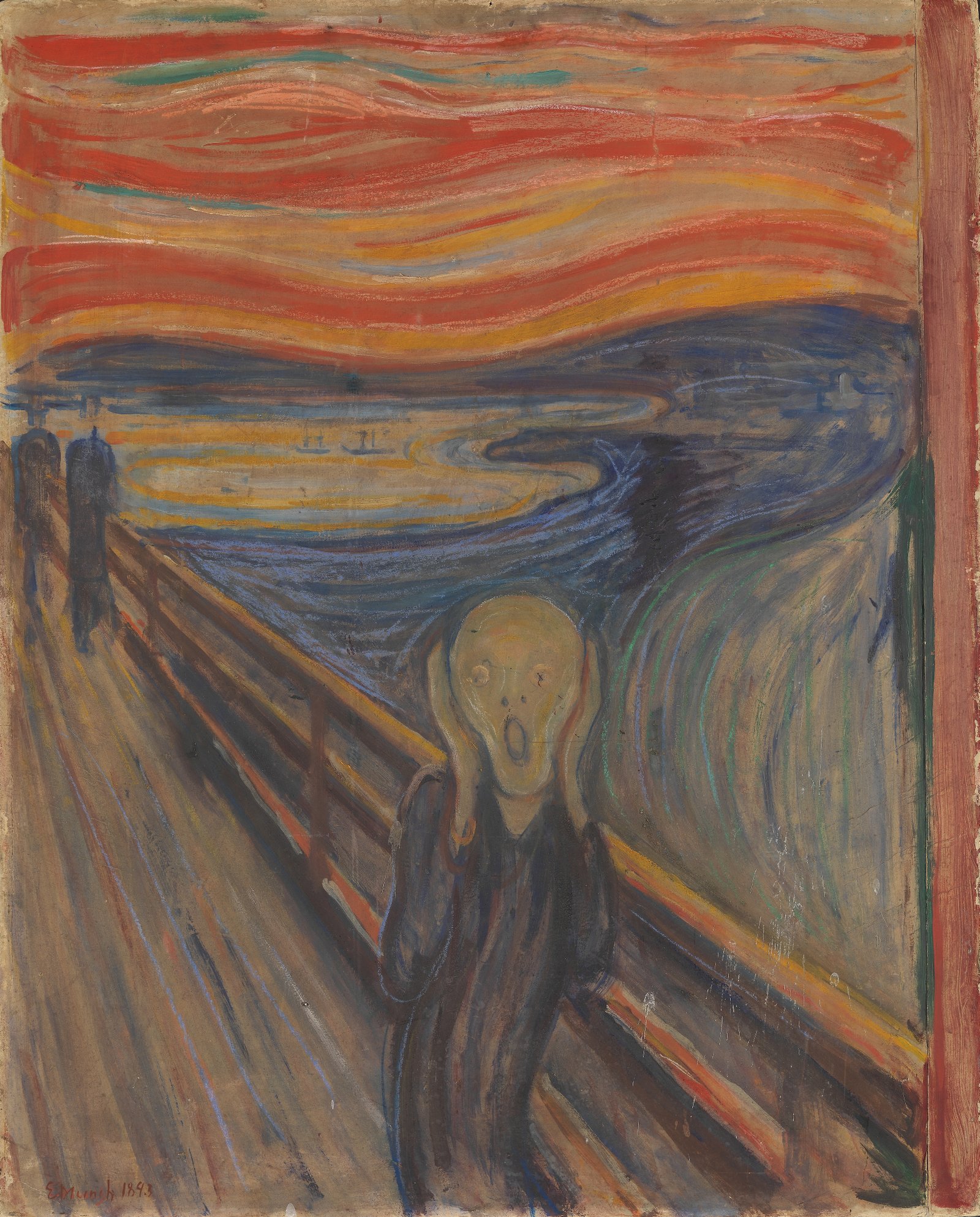
1905 — 1933The scream before the wars: distortion as honesty.
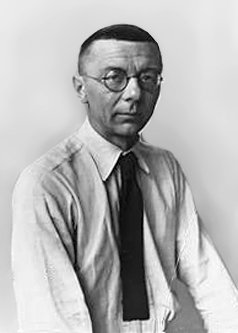
1919 — 1933Form follows function — until the school is shuttered and its teachers scatter to the world.
1945 —After Auschwitz, abstraction; after the Wall, everything at once. The centre dissolves into a thousand galleries.
◄ DRAG TO TRAVEL ►
The sister chronicle: the same centuries, scored.
c. 600 — 1000One line of voices, one faith, stone acoustics; Europe's first shared soundtrack.
c. 1100 — 1300Love invented as a song form in the Occitan courts — and exported by every crusader coming home.
1450 — 1600Voices woven like cathedral vaults; the mass becomes Europe's most complex art object.
1600 — 1750The orchestra as a machine for wonder; opera invented in Florence as a special effect that got away.
1750 — 1820Clarity as an Enlightenment value: the symphony standardised, the string quartet perfected.
1770 — 1827One man spans both eras: the symphony becomes a manifesto, the composer becomes a hero, and the deaf write the loudest music.
1820 — 1900Orchestras swell to a hundred; the tone poem tells stories, the opera house becomes the nation's church.
1860 — 1918Folk melodies conscripted into flags: every awakening nation wants its own sound before it has its own state.
1900 — 1945The Rite of Spring riots in Paris in 1913; rhythm, dissonance and the demolition of harmony — the century's wars arrive early, in the concert hall.
1945 —Stockhausen's Cologne tape lab, the Beatles' Liverpool, Kraftwerk's Düsseldorf — the continent invents the machines the world dances to.
◄ DRAG TO TRAVEL ►
Sport is politics without casualties — mostly. Europe codified the world's games, then argued about nations through them.
1863Twelve London clubs write one rulebook at the Freemasons' Tavern; the world's game is a European export before it is a world game.
1896Coubertin resurrects Athens: antiquity as blueprint, amateurism as creed, and flags where city-states once competed.
1903A newspaper stunt to sell copies turns geography into spectacle — the nation learns its own shape by watching riders cross it.
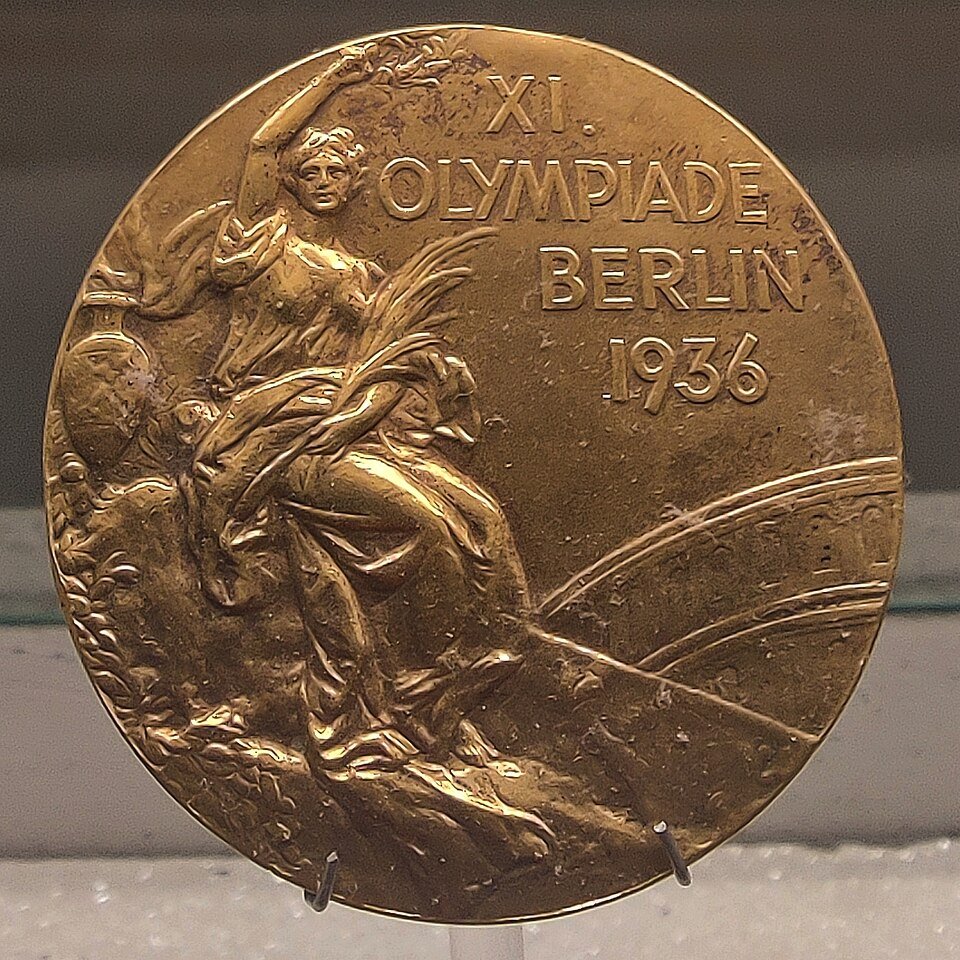
1936Berlin stages sport as state theatre; Jesse Owens answers the ideology with four gold medals in front of its own cameras.
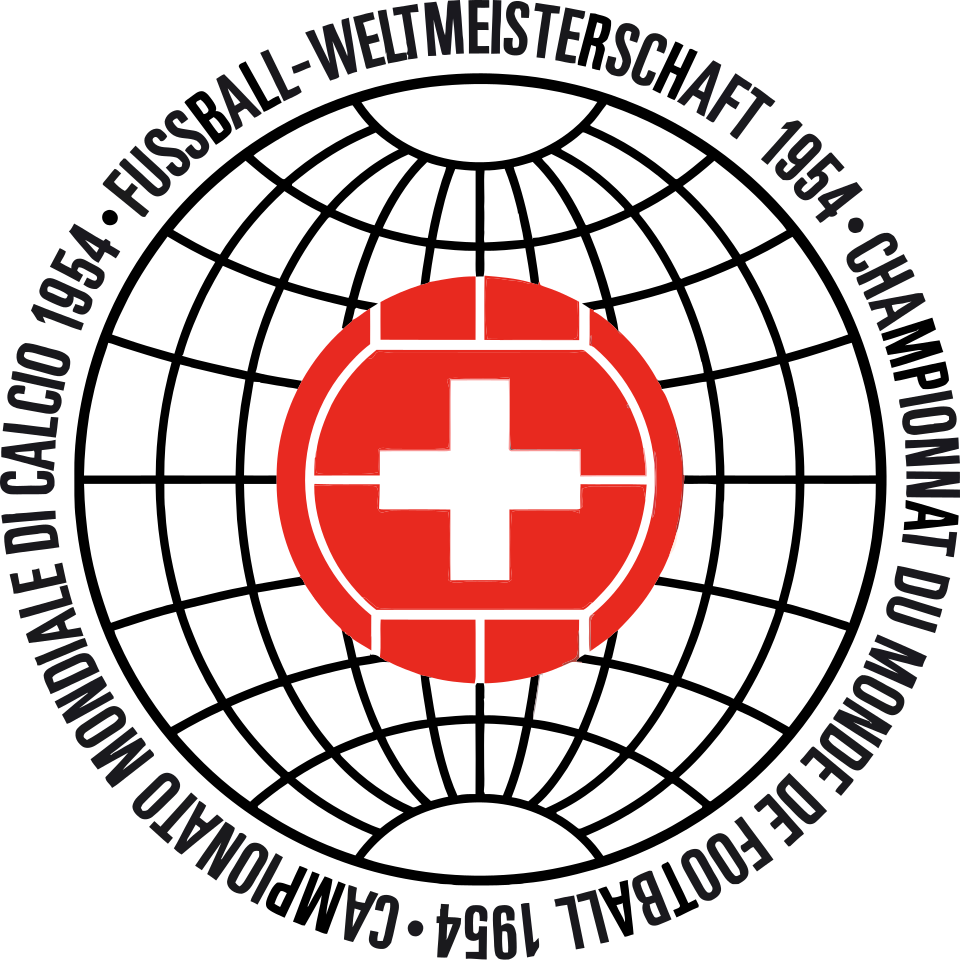
1954West Germany beats mighty Hungary in the World Cup final; a defeated nation rebuilds its self-respect around a ball and a radio.
1956The EBU wires a recovering continent together with a song contest — half kitsch, half genuine exercise in shared broadcasting.
1972"The Happy Games" designed to answer 1936 — until terrorists murder eleven Israeli athletes. Sport meets history, and neither wins.
1995A Belgian journeyman takes his case to the European Court of Justice; players become free workers, clubs become global markets. The single market enters the stadium.
◄ DRAG TO TRAVEL ►
Europe's economic history is a pulse of credit and panic. Bars indicate an approximate severity score — contagion, losses, and political damage combined.
BAR LENGTH = APPROXIMATE SEVERITY SCORE · CONTAGION × LOSSES × POLITICAL DAMAGE
The drive to rule beyond one's borders — by legion, by marriage, by mandate. Europe was rarely at peace because someone was always one campaign from glory.
Belief as engine: Christendom, crusade, reformation, and the slow, hard-won discovery of toleration.
Trade routes, fairs, banks and colonies. Where silver flowed, constitutions followed — and crashes.
The insistence that evidence outranks authority — from Abelard to Newton to the Encyclopédie.
Steam, steel and the factory system compressed a thousand years of change into one hundred — creating wealth beyond imagination and destruction to match.
The idea that a people and a state should share one border and one flag — liberator in 1789, unifier in 1861, catastrophe in 1914 and 1939.
No event floats alone. Follow each turning point upstream to its causes and downstream to its consequences, across centuries.
Line up the empires side by side. The same four phases recur in each — ascent, zenith, overstretch, collapse — and the pattern is the lesson.
Faith, gold, reason and the nation are not abstractions; they are engines. See how each one moved armies, built cathedrals and toppled kings.
Populations, borders, prices, seasons and technologies — the ledger beneath the narrative. The chart's notch at 1348 teaches more than a hundred treaties.
Study what preserved liberty — charters, presses, parliaments — and what destroyed it. History is not a prophecy, but it is the best warning system we own.
The chronicle from a single street corner. Big history only becomes true at the scale of one morning.

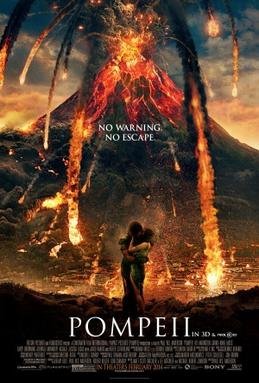
Vesuvius opens with a sound like the mountain splitting. Pumice rains for hours — people shelter indoors, and it is the sheltering that kills them. Pliny the Elder sails toward the disaster to help; his nephew will write it down, inventing eyewitness history. By tomorrow the city is a roofline under ash, preserved so perfectly that two thousand years later we still count its loaves of bread.

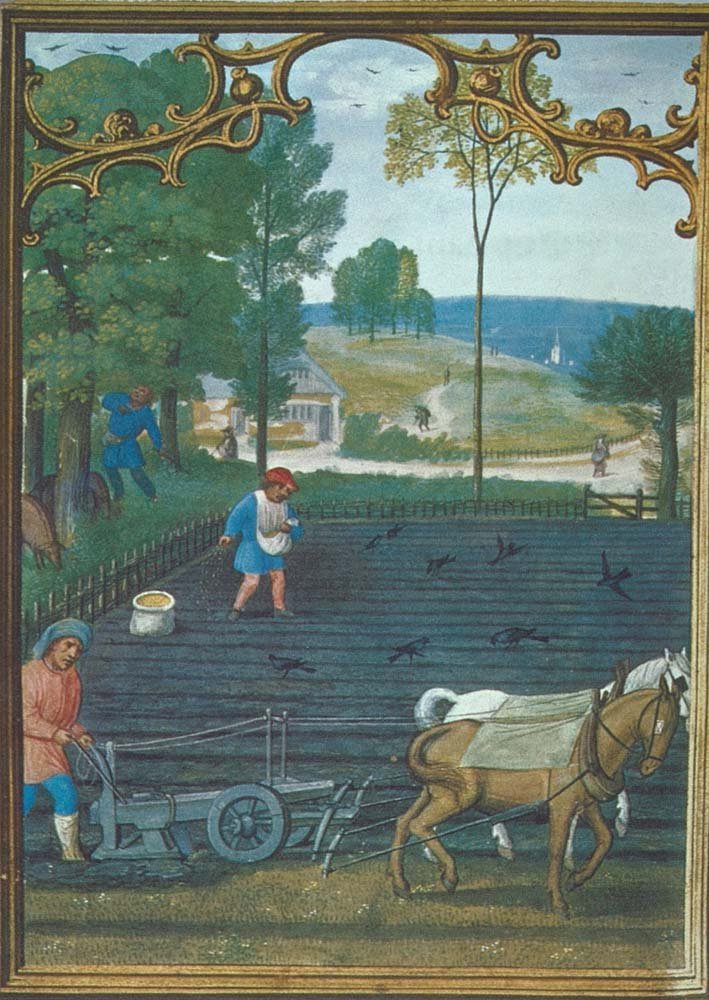
Before dawn the plough team is yoked — eight oxen, one at a time borrowed from neighbours. Three of the week's days belong to the lord's demesne, the rest to strips in the open fields. The mill is the lord's, the oven too. A cathedral is rising twenty miles away; nobody here will ever see it finished. In fifty years the plague will come down this same lane and take a third of these names.

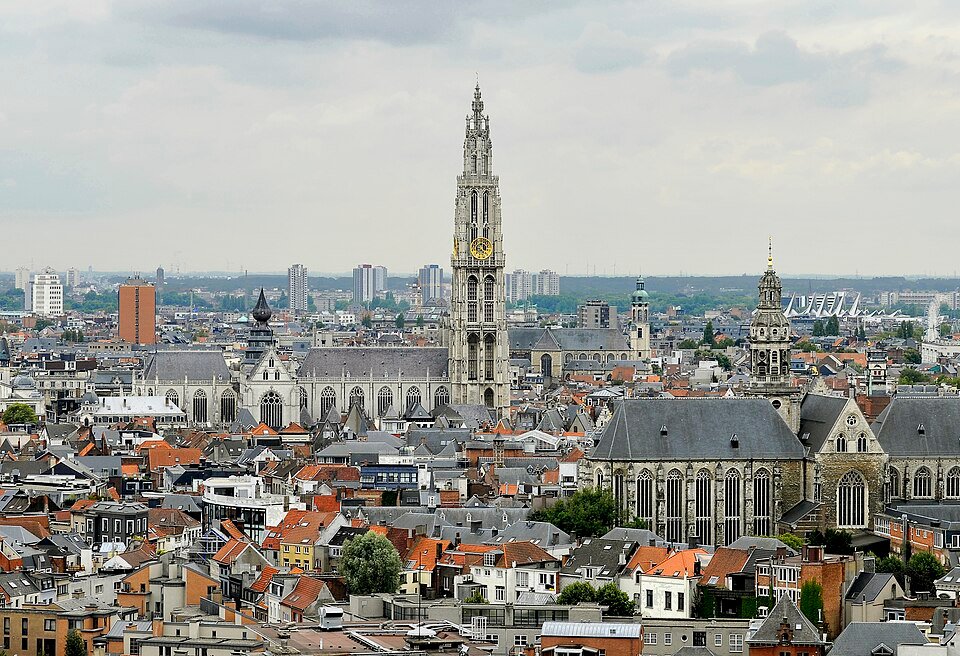
Pepper from Lisbon, silver from Seville, cloth from Manchester, bills of exchange from everywhere. One hundred nations do business under one roof; the first stock exchange in the modern sense hums in a dozen languages. Printers sell pamphlets that would be burnable elsewhere. This is the richest city north of the Alps — and by August, the Iconoclastic Fury will sweep through its churches, and the Spanish army will answer with a fury of its own.

The bell rings and the streets fill with clogs: cotton-spinners, dyers, children legally old enough now, just. Smoke lies flat on the rooftops; the Irwell runs the colour of this week's dye lot. A train leaves for Liverpool every hour — freight and passengers interleaved, the circulatory system of the workshop of the world. Somewhere in this city, a clerk named Engels is taking notes for a book that will outlive every mill.

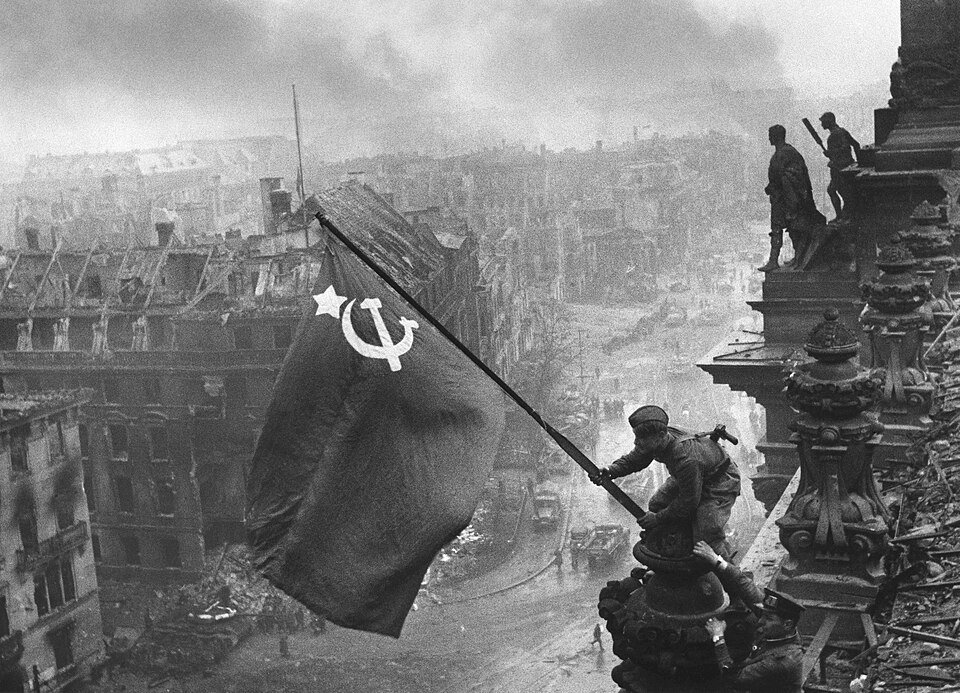
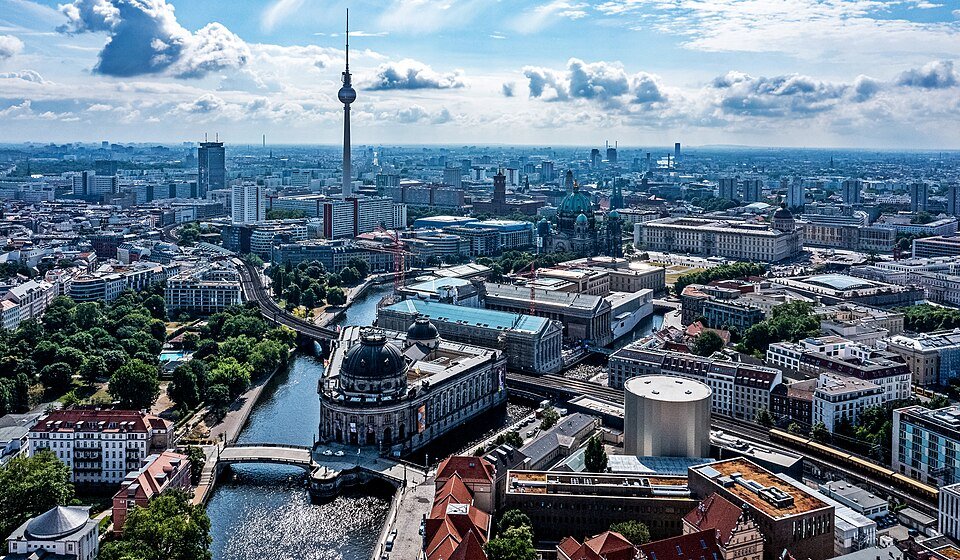
The surrender has been signed twice already; today it counts. In a city of rubble and cellar-dwellers, the strangest sound in twelve years: no sirens. Queues form for water and for denazification papers alike. Four occupation zones are drawn in chalk and decree. In the ruin of the Reichstag, someone has already begun to clear a path — the first gesture of the longest reconstruction in European history.

A bungled press conference says the borders open "immediately, without delay." Tens of thousands walk to the Wall to test it. At the Bornholmer crossing, the officer in charge, outnumbered and un-instructed, finally lifts the barrier at 11:30 p.m. Strangers embrace on top of the concrete; hammers appear within the hour. It is the closest thing in the chronicle to a single night of pure, unmanaged joy.

Charles kneels at the altar in Roman dress; as he rises from prayer, Leo sets a crown on his head and the crowd acclaims him "Emperor of the Romans." The choreography matters: crown placed in the moment of prayer, so it looks like God's act, not the pope's gift. Einhard will claim Charles wouldn't have entered the church had he known — a protest historians have smiled at for twelve centuries. An empire of the West is improvised in a single liturgy.

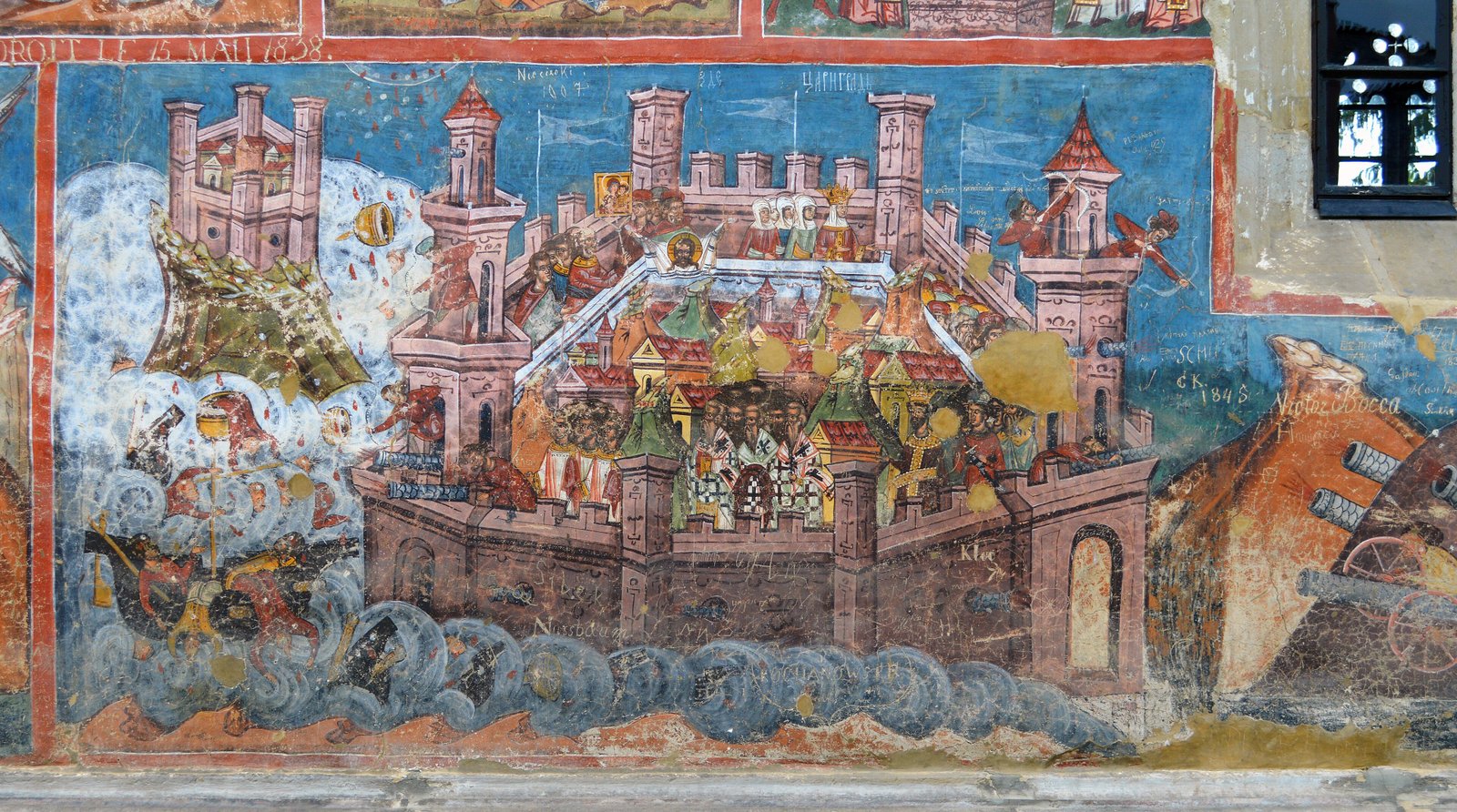
After fifty-three days of siege, the walls that held for a millennium give way to Mehmed's great bombard before dawn. The last emperor, Constantine XI, strips the purple insignia and dies fighting at the breach — no one ever identifies his body with certainty. By afternoon the city is taken; by evening Hagia Sophia is rededicated. Refugees carry manuscripts and stories west to Italy. The Middle Ages, by most reckonings, end inside this single day.

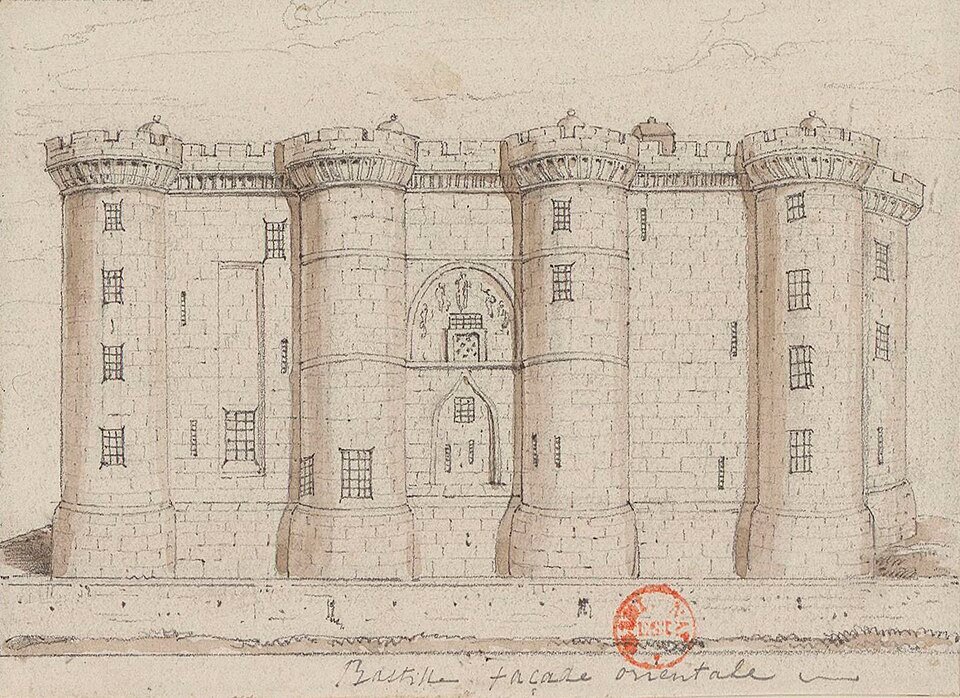
The crowd came for gunpowder, not symbols. Negotiations drag, a shot cracks somewhere, and the drawbridge comes down into a killing yard where nearly a hundred fall. By evening the fortress is taken, its governor is dead, and the stones are already being sold as souvenirs. That night, tradition holds, the king asks whether it is a revolt; the answer comes back: "No, sire — it is a revolution." The old regime dies not at the guillotine but here, in a courtyard, in one afternoon.

The first bomb bounces off the archduke's folded hood and wounds the car behind; Franz Ferdinand insists on visiting the injured. His driver takes a wrong turning onto Franz-Josef-Straße, stalls the car trying to reverse, and stops directly beside nineteen-year-old Gavrilo Princip. Two shots from a pistol; Sophie and Franz Ferdinand die within the hour. Vienna's ultimatum follows in July; by August the lamps are going out all over Europe, and they will not be lit again in the same way.
History has no control group — but weighing the alternatives sharpens why what happened, happened. These are reasoned counterfactuals, not facts.
Had Parma's barges crossed the Channel with the fleet intact, Spanish tercios might have taken London — but supply would have been a nightmare and the countryside a hornets' nest. The likelier outcome: a bruising occupation, the Dutch revolt strangled a generation, and England's Atlantic century delayed, not cancelled.
Without Sobieski's charge, the Ottoman siege probably takes the city and the Habsburg line staggers. But the same logistics that nearly won would have overstretched a winter campaign. Most likely: a longer frontier war, a weaker Austria — and no later Ottoman collapse to hand the Balkans their tangled nineteenth century.
Two more allied armies were days behind Wellington; even a victory buys weeks, not peace. The likelier path: a negotiated settlement with a Bonaparte still throned, no Congress System — and perhaps no hundred years without a general war. The balance of power was Europe's invention; here it might have died in its cradle.
Had the hardliners prevailed and the gates stayed shut, the GDR's economics were already terminal — bankruptcy was a budget line away. The likeliest alternative is delay, not survival: reunification pushed a decade forward, messier, with a Soviet Union collapsing anyway. The crowd, in this case, was almost certainly history's winner either way.
Nine sentences that moved the continent — in their own words, lightly translated.
Our constitution is called a democracy, because power is in the hands not of a minority but of the whole people.
— THUCYDIDES · PERICLES' FUNERAL ORATION · 431 BCNo free man shall be seized or imprisoned except by the lawful judgment of his peers or by the law of the land.
— MAGNA CARTA · CLAUSE 39 · 1215Here I stand; I can do no other. God help me.
— MARTIN LUTHER · DIET OF WORMS · 1521In the land of the blind, the one-eyed man is king.
— ERASMUS OF ROTTERDAM · ADAGIA · 1500sI do not wish women to have power over men, but over themselves.
— MARY WOLLSTONECRAFT · A VINDICATION · 1792Men are born and remain free and equal in rights.
— DECLARATION OF THE RIGHTS OF MAN · ARTICLE 1 · 1789Let us therefore brace ourselves to our duties, so that if the empire lasts a thousand years, men will still say: this was their finest hour.
— WINSTON CHURCHILL · JUNE 1940Hope is not the conviction that something will turn out well, but the certainty that something makes sense.
— VÁCLAV HAVEL · DISTURBING THE PEACE · 1986Europe will not be made all at once, or according to a single plan. It will be built through concrete achievements which first create a de facto solidarity.
— SCHUMAN DECLARATION · 9 MAY 1950
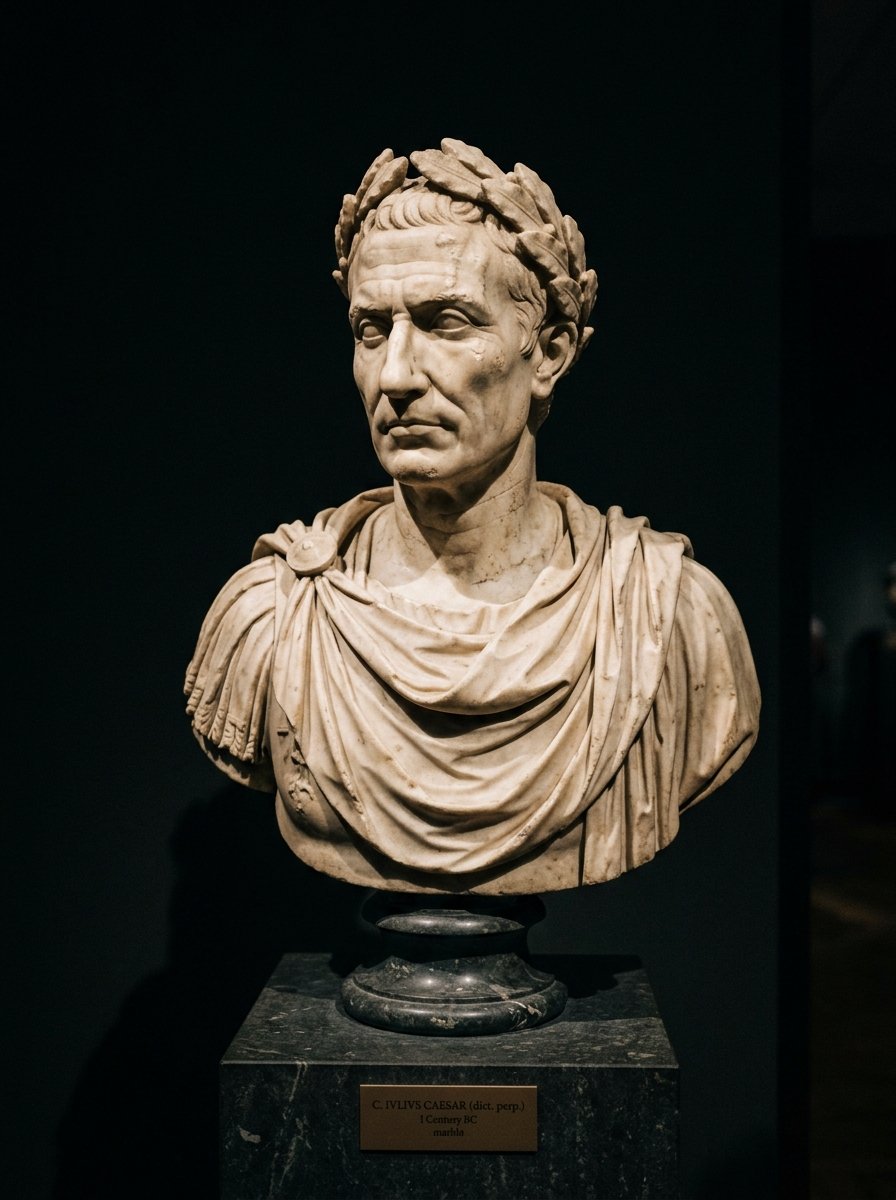
Ended the Republic by saving it; killed by men who loved its name.

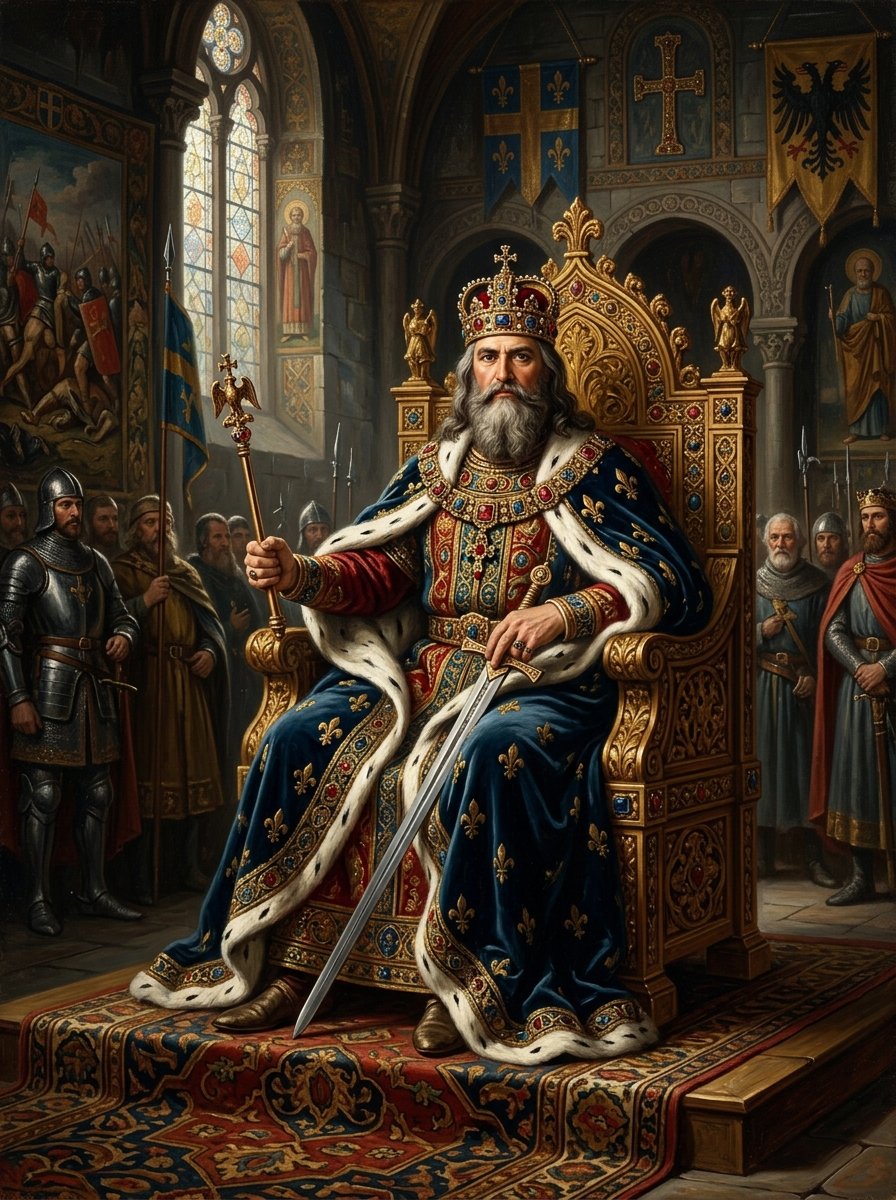
Stitched Rome's idea onto a Germanic body; father of Europe.

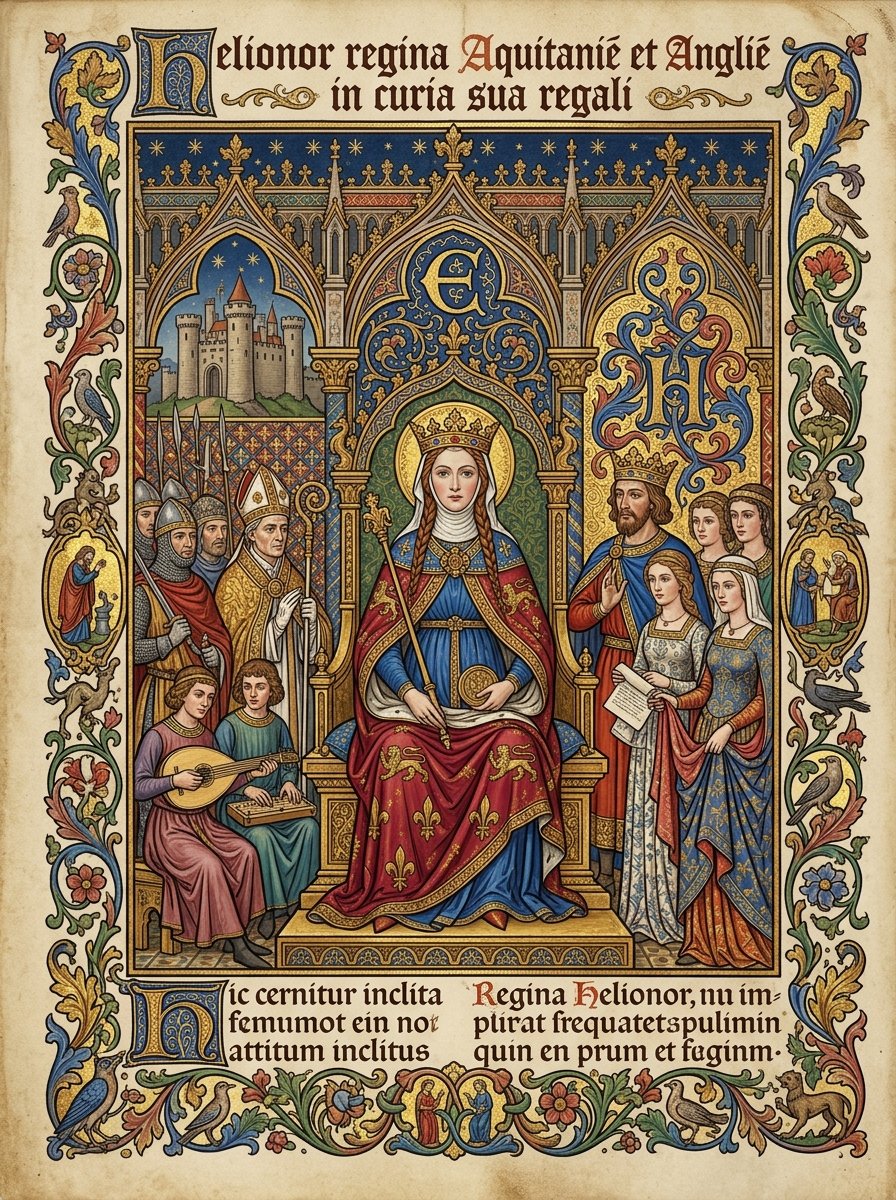
Queen of France, then of England; patron of troubadours, mother of kings, and the century's sharpest political mind.

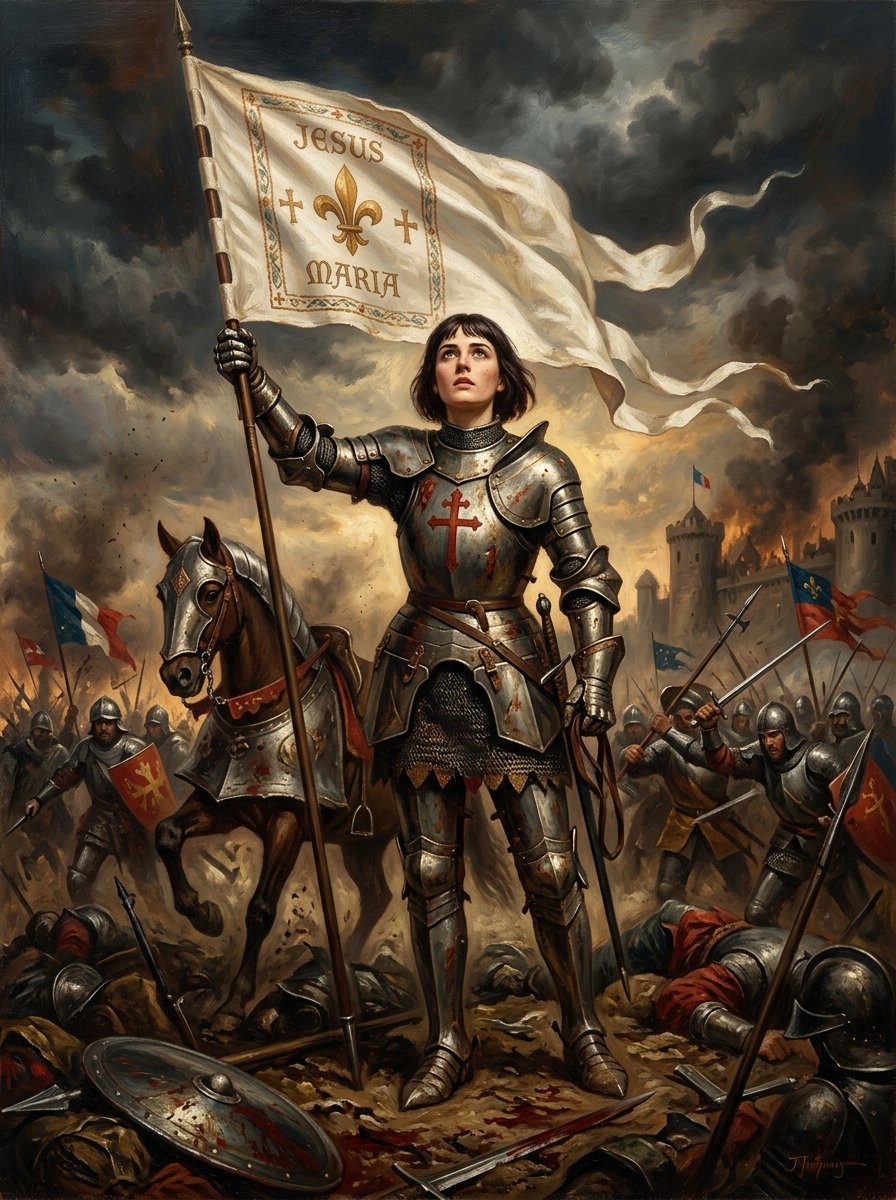
A peasant girl who crowned a king — and invented the nation in the telling.

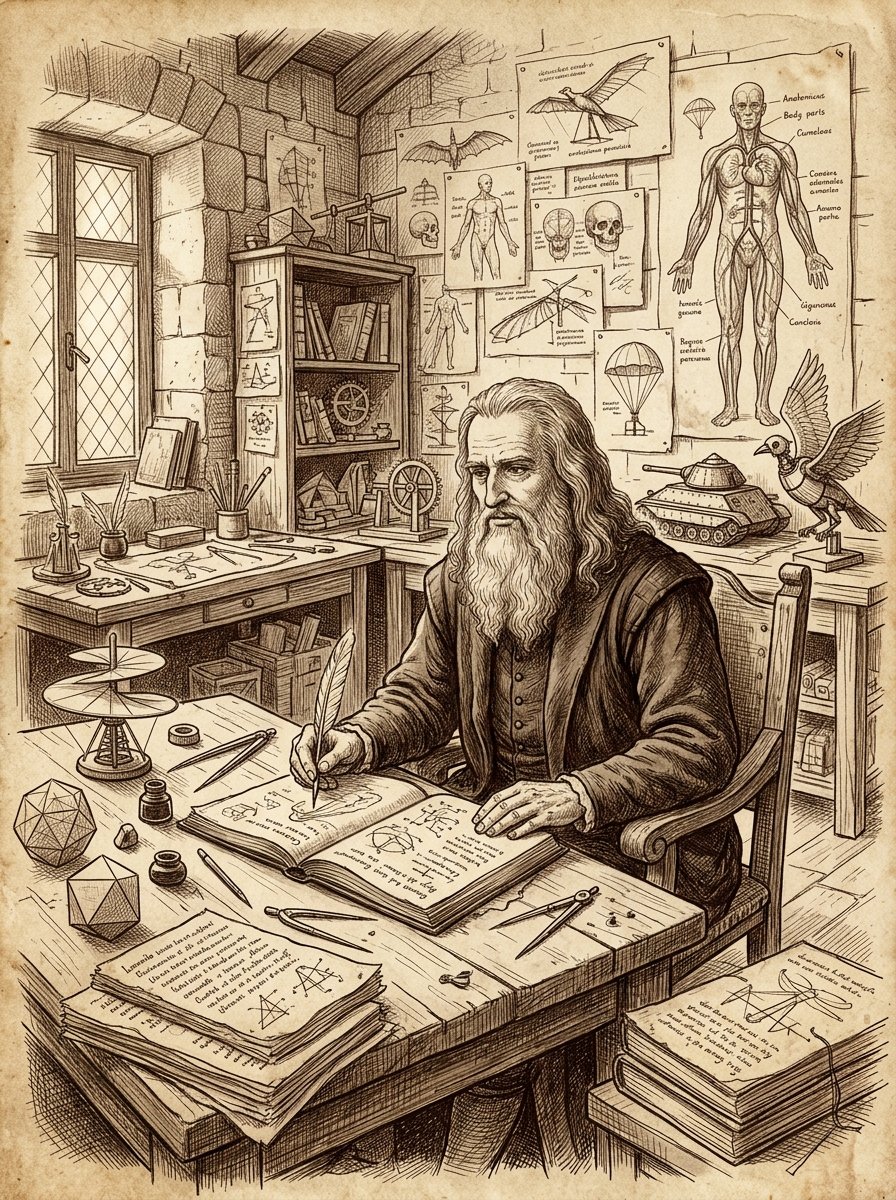
Painter, engineer, anatomist — the Renaissance compressed into one man.

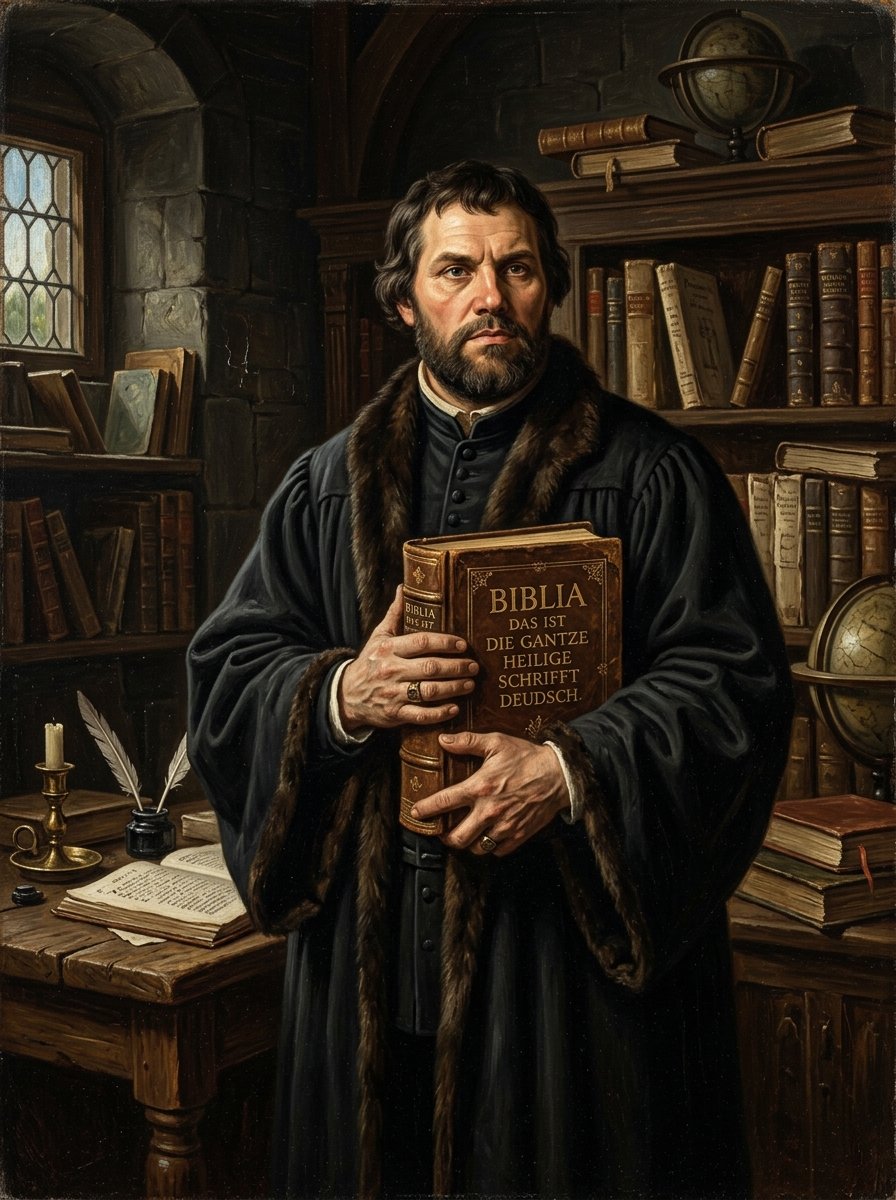
Nailed a thesis to a door; split a thousand-year-old church in half.

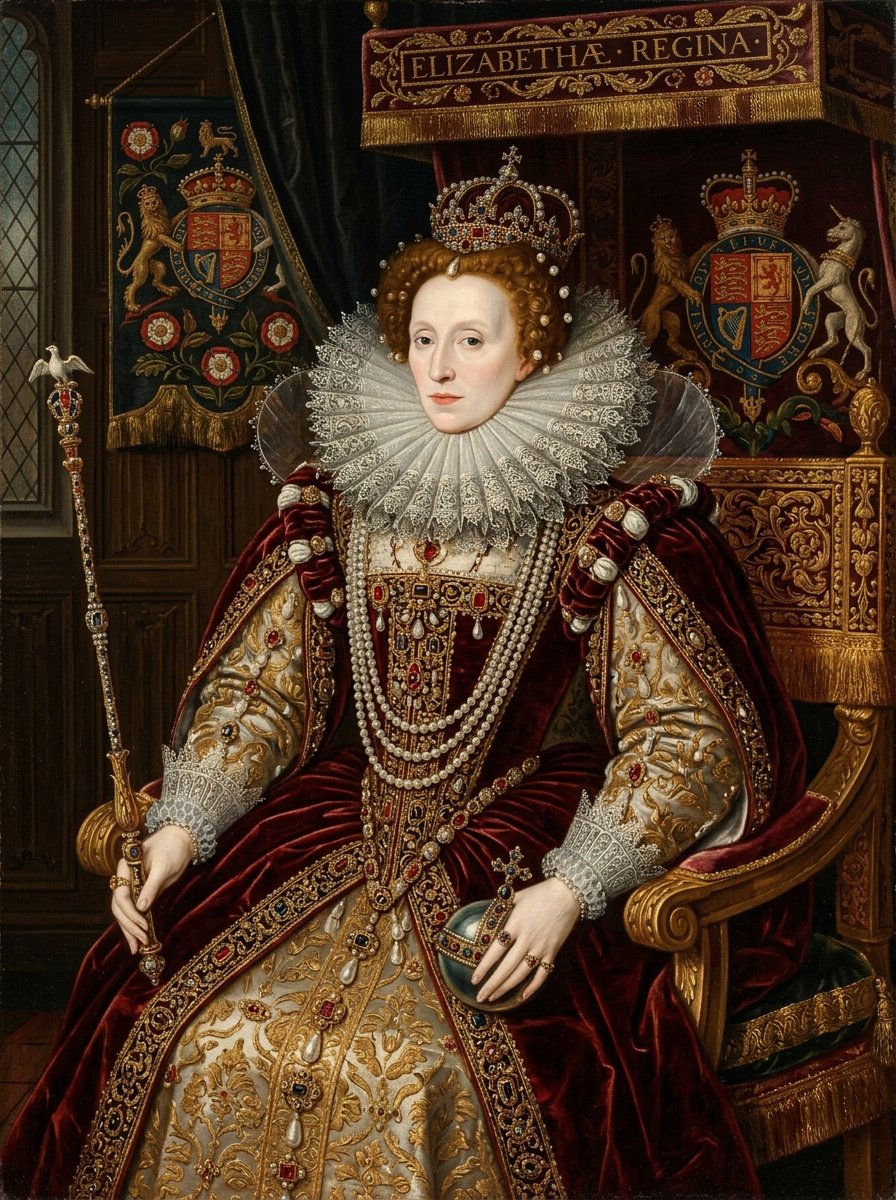
Out-waited her rivals, out-sailed an Armada, and lent her name to a theatre.

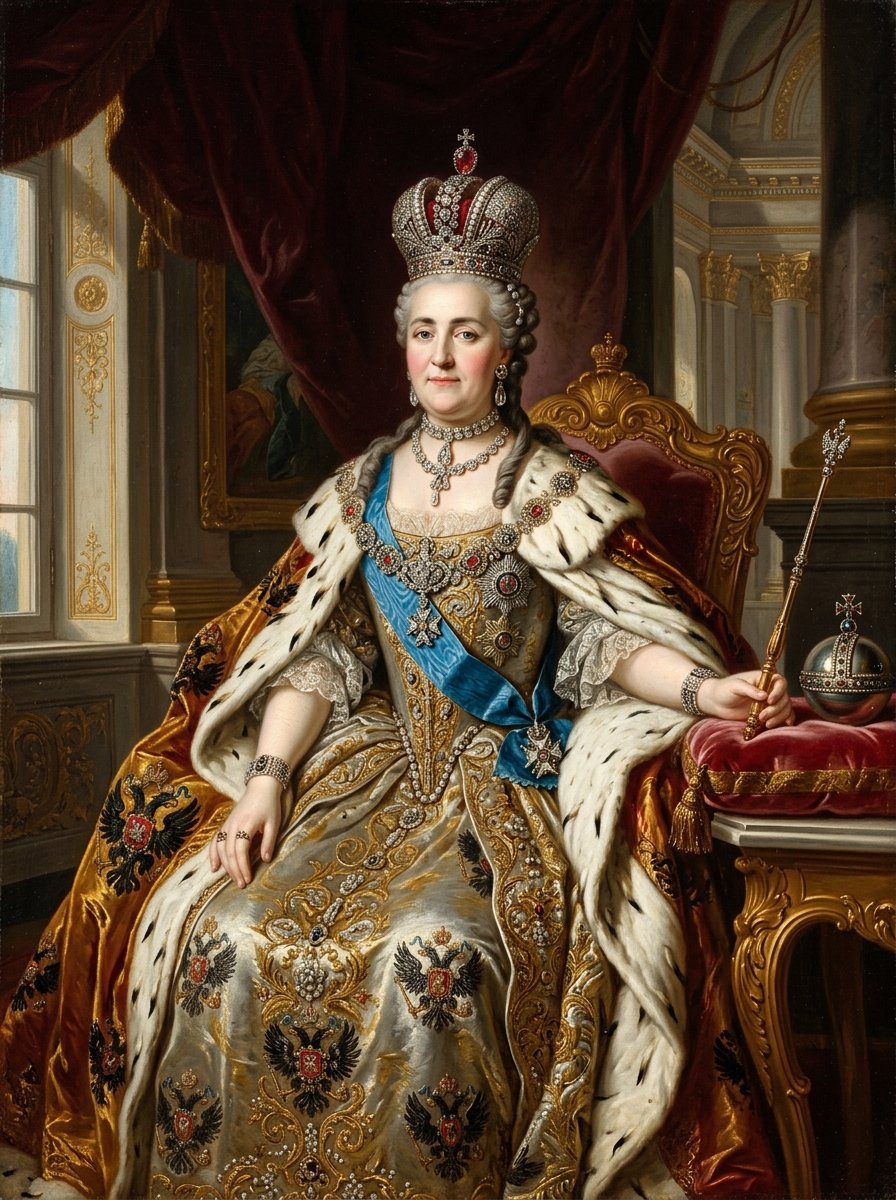
Enlightened despot of Russia — Europe's ideas, Russia's scale.

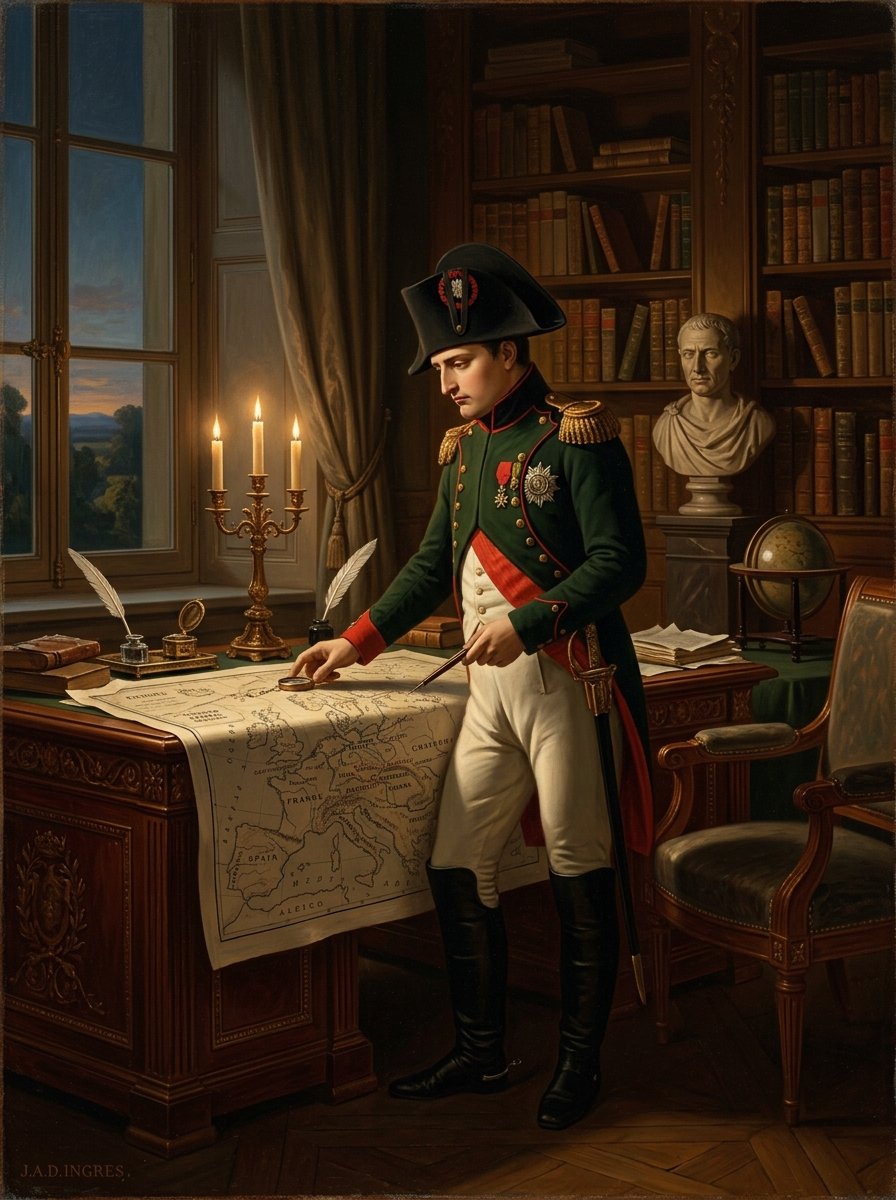
The Revolution on horseback — and the proof that overreach is terminal.

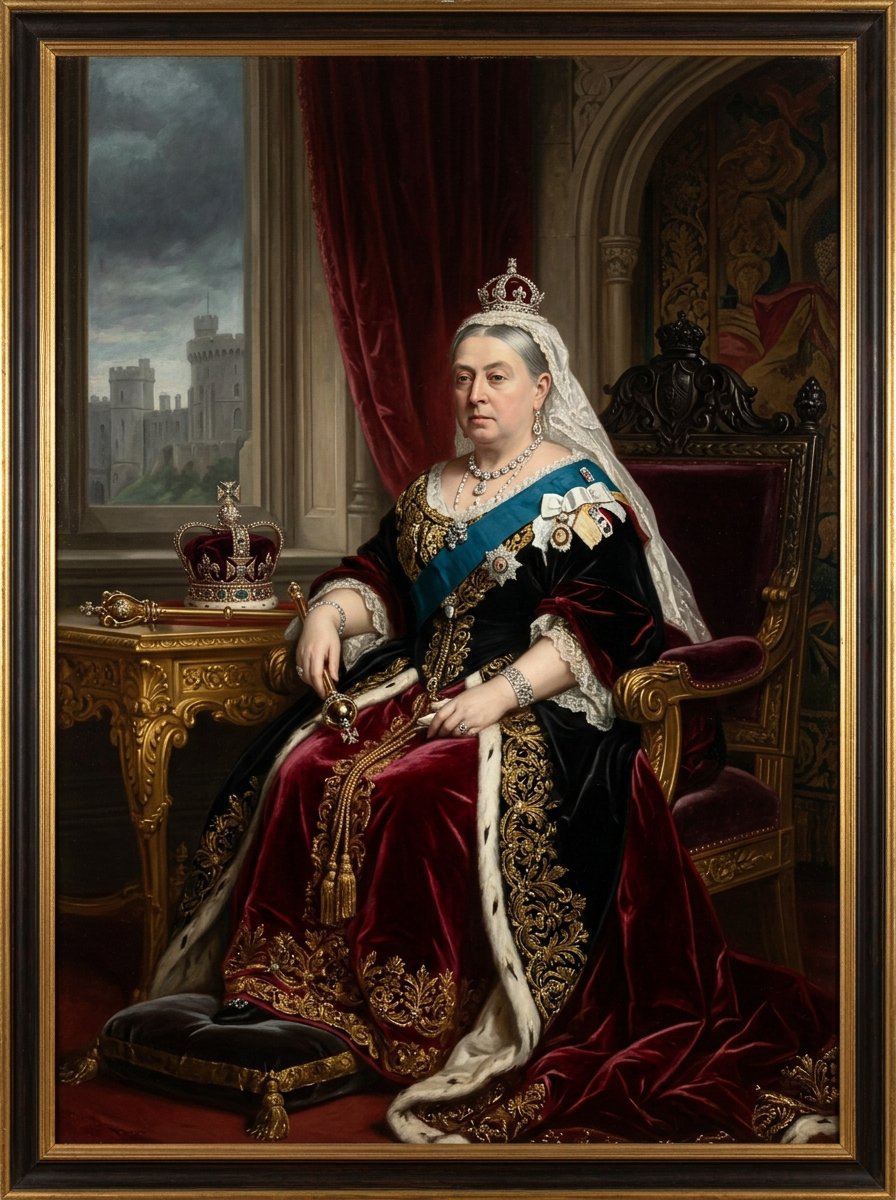
Reigned over the machine age at full throttle; an era bears her name.

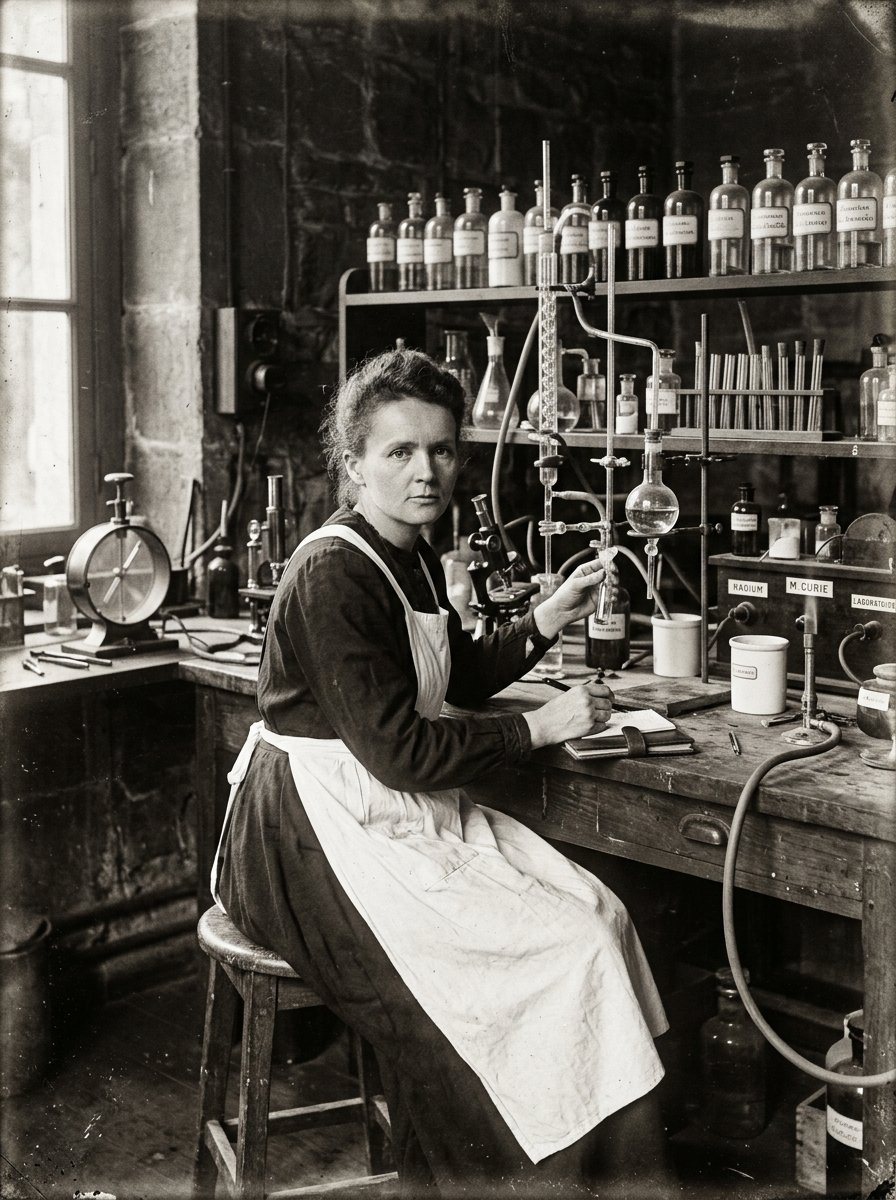
Two Nobel prizes, two elements — science as a vocation to the point of death.

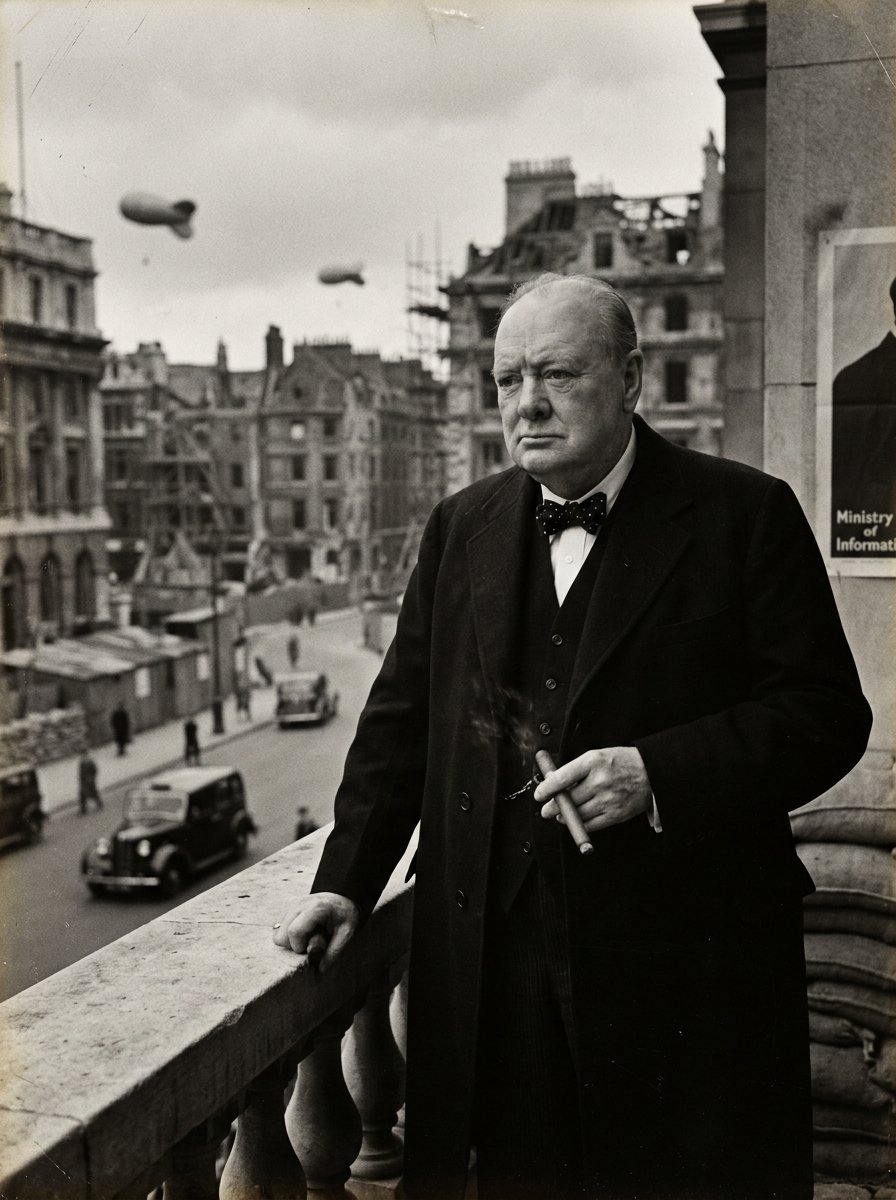
Stood in the dark valley's narrowest hour, and spoke English into a weapon.
Eighteen centuries of women who wrote, ruled, computed, composed and marched — often into archives that forgot to keep their names.
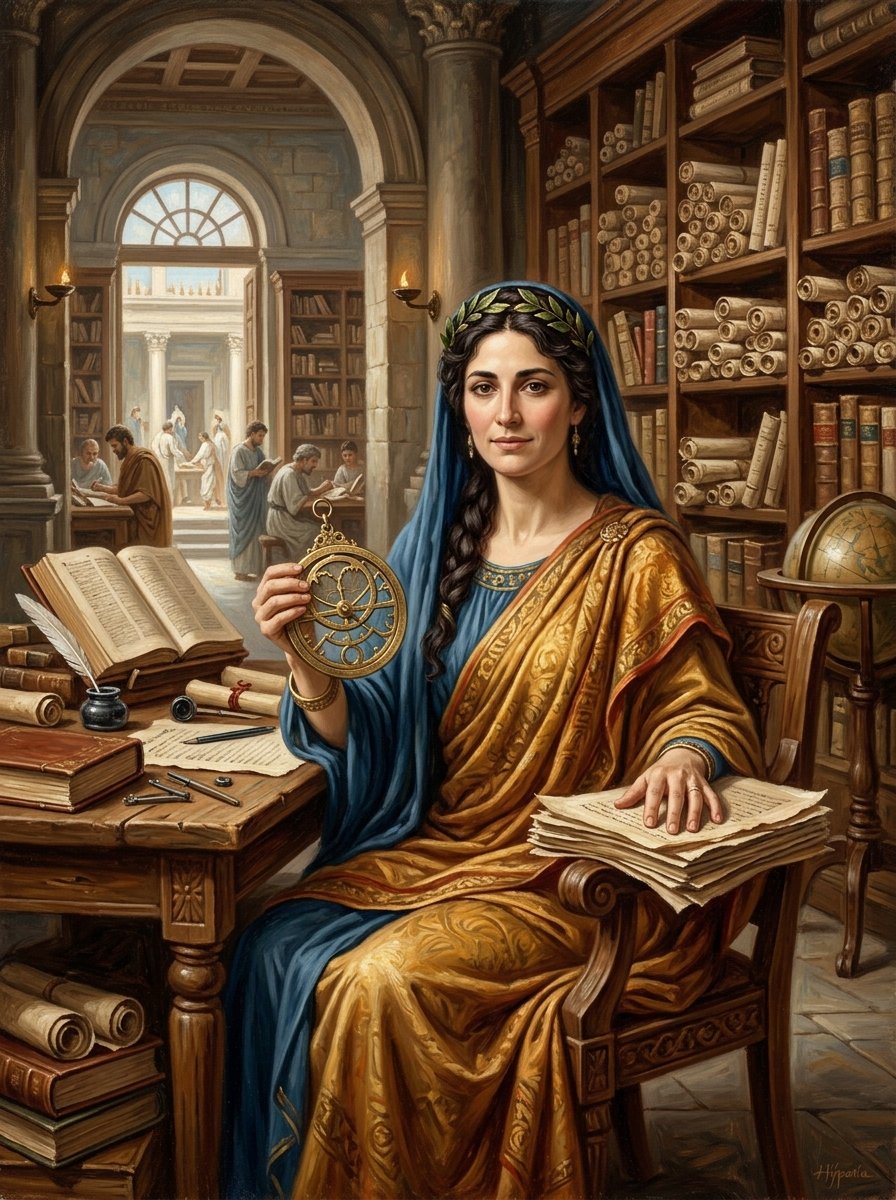
c. 360 – 415Mathematician, astronomer, public philosopher of the late classical world — murdered by a mob, mourned by an era that was ending with her.
1098 – 1179Abbess, visionary, naturalist and the first named woman composer whose music survives — a complete intellectual operating in an age that allowed women almost none.
c. 1364 – c. 1430Europe's first professional woman of letters, supporting her family by her pen; The Book of the City of Ladies answers the misogyny of the age with a city built of women's deeds.
1748 – 1793Wrote the Declaration of the Rights of Woman when the Revolution's rights stopped at the doorstep; the guillotine answered. Her sentence kept circulating anyway.
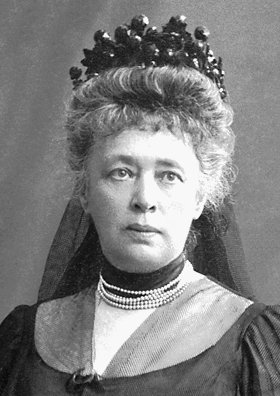
1843 – 1914Lay Down Your Arms became the pacifist movement's novel; in 1905 she became the first woman awarded the Nobel Peace Prize — dying weeks before the guns of August.
1871 – 1919Theorist, agitator, conscience of the European left; opposed the war from prison, helped found the German Communist Party, and was murdered in Berlin in its aftermath.
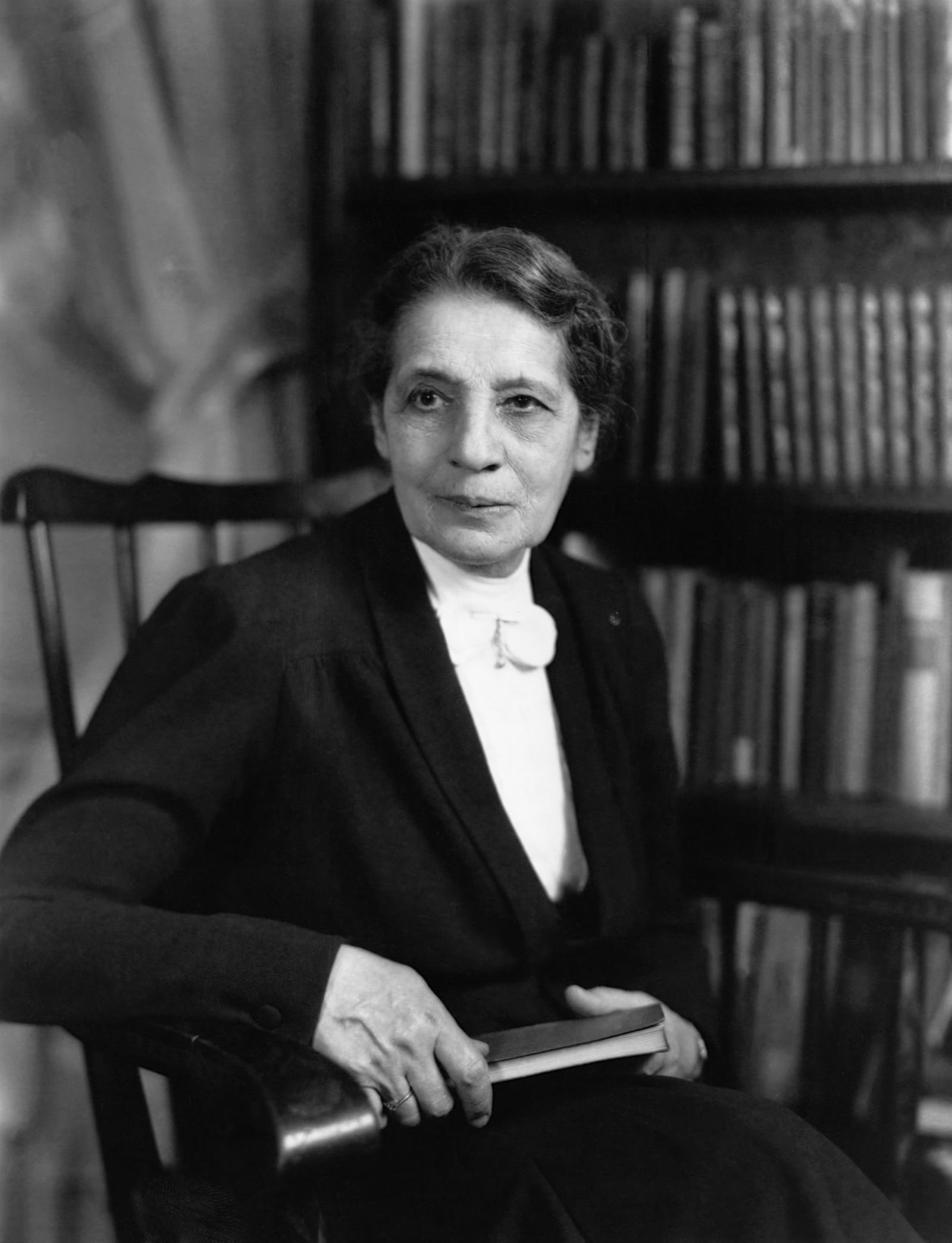
1878 – 1968Fled the Reich in 1938; from exile she explained what her former collaborators had seen — nuclear fission. The Nobel went to the chemist; element 109 carries her name.
1927 – 2017Survived Auschwitz, rebuilt French public health, and in 1979 became the first elected president of the European Parliament — the Union's moral witness for a generation.
◄ DRAG TO TRAVEL ►
For a thousand years faith was Europe's constitution — and its fractures are therefore political history. Bars indicate the approximate share of Christian Europe affected.
BAR LENGTH ≈ SHARE OF CHRISTIAN EUROPE AFFECTED (APPROX.)
The whole chronicle compressed to a telegraph strip.
Roughly 800 million people speak Europe's languages; most descend from a single lost tongue on the Pontic steppe. Three alphabets, 24 official EU languages, hundreds of dialects.
Sermon Vulgar Latin grew up into literatures; the empire's longest-living export.
From runestones to the language of the internet; English's global career began with 19th-century coal and 20th-century film.
The continent's largest family by speakers; its literature carried whole nations through statelessness.
Once spoken from Iberia to Anatolia; now a few million speakers — and the oldest continuous literary tradition in any European vernacular.
The immigrants of the family tree — not Indo-European at all, arrived by migration, and proof that Europe's identity was never one bloodline.
The most conservative living branch of Indo-European — Lithuanian still echoes forms Sanskrit knew four thousand years ago.
History is also written in footprints: expulsions, famines, emigrations, guest workers, and finally the Union's own freedom of movement. Bars indicate relative scale of the movement, approximate.
BAR LENGTH = RELATIVE SCALE OF MOVEMENT (APPROX.) · ALL FIGURES ESTIMATES
Europe was never alone on the stage. For nine of the chronicle's dates, what the rest of the world was doing.
Thirty-two terms the chronicle leans on — the vocabulary of twenty-eight centuries.
The Greek city-state — citizenship and participation rather than mere subjecthood.
Rome's pre-imperial order of elected magistrates and senatorial debate; the "public affair."
Medieval hierarchy of land for service: lord, vassal and serf bound in tiers of obligation.
Peasants bound to the land and the lord's dues; abolished in the West by 1500, in Russia not until 1861.
Urban corporations controlling craft, quality and membership — the medieval economy's regulators, dissolved by free trade.
Europe conceived as one religious commonwealth under pope and emperor.
A formal rupture of the church: twice in the record — East from West in 1054, pope against pope in 1378.
The Renaissance turn to classical texts and to human capacity as the measure of things.
French Calvinists — a fifth of France at their peak, scattered after 1685 into half of Europe's workshops.
A remission of punishment sold by the medieval church — Luther's match, Europe's fire.
The sixteenth-century breach with Rome that permanently divided Western Christianity.
The legal right to differ in faith — Westphalia's quiet invention, and the slow cure for the wars of religion.
The Westphalian principle: each state's exclusive authority within its own borders.
Monarchy claiming undivided authority, often by divine right — Versailles its stage.
The interest of the state above creed or dynasty — Richelieu's compass, and modern diplomacy's.
The property-owning urban middle class — actor of 1789, antagonist of Marx, backbone of the liberal century.
The seventeenth-century internet: for the price of a cup, news, argument and — frequently — a new company or revolution.
The eighteenth-century movement of reason, rights and reform across the salons.
Keeping no single state dominant — the Congress of Vienna's machinery for peace.
The congress system after 1815: great powers settling disputes at a table — the Union's distant ancestor.
Loyalty to nation before dynasty; unifier in 1861, catastrophe in 1914 and 1939.
Extending rule over other peoples; the late nineteenth-century scramble for the globe.
Payments exacted from the defeated — Versailles' clause that poisoned the peace.
The twentieth-century fusion of industry, civilians and ideology into a single target.
The interwar marriage of ultranationalism, mass politics and authoritarian rule.
Concession to aggressors to keep peace; Munich 1938 its lasting emblem.
Churchill's name for the Soviet-controlled half of Europe, 1946–1989.
The armed peace between two blocs: no direct war, constant brinkmanship.
The easing of Cold War tensions in the 1970s — Helsinki its charter.
The post-war bargain: security from cradle to grave, bought with the industrial age's wealth.
The post-1945 unravelling of Europe's overseas empires into a hundred new states.
States voluntarily pooling sovereignty above the nation — the EU's defining wager.
Twelve questions drawn from the Annals and the ledgers — then three bonus rounds. No second chances, like history itself.
Eight events — place each one in its century.
Eight statements from across the whole chronicle. Some are traps.
Eight portraits of power from the ledger — match the description to the house.